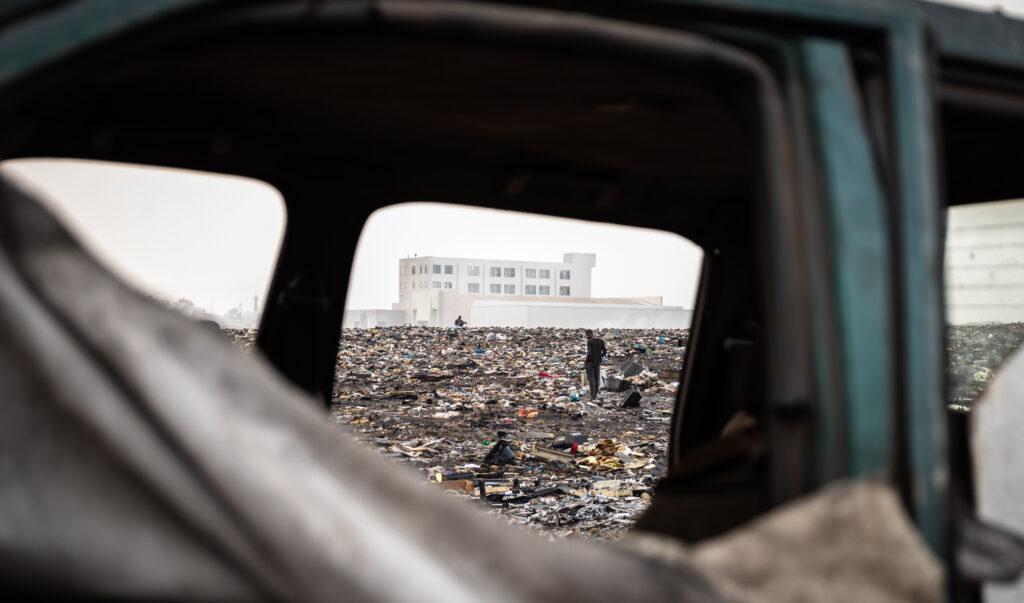
Agbogbloshie is a commercial district in Ghana’s capital that became iconic abroad after reports called it “the world’s largest e-waste dump” two decades ago. While Agbogbloshie’s dump is a serious hazard for those working and living there and around, there is another viewpoint to consider.
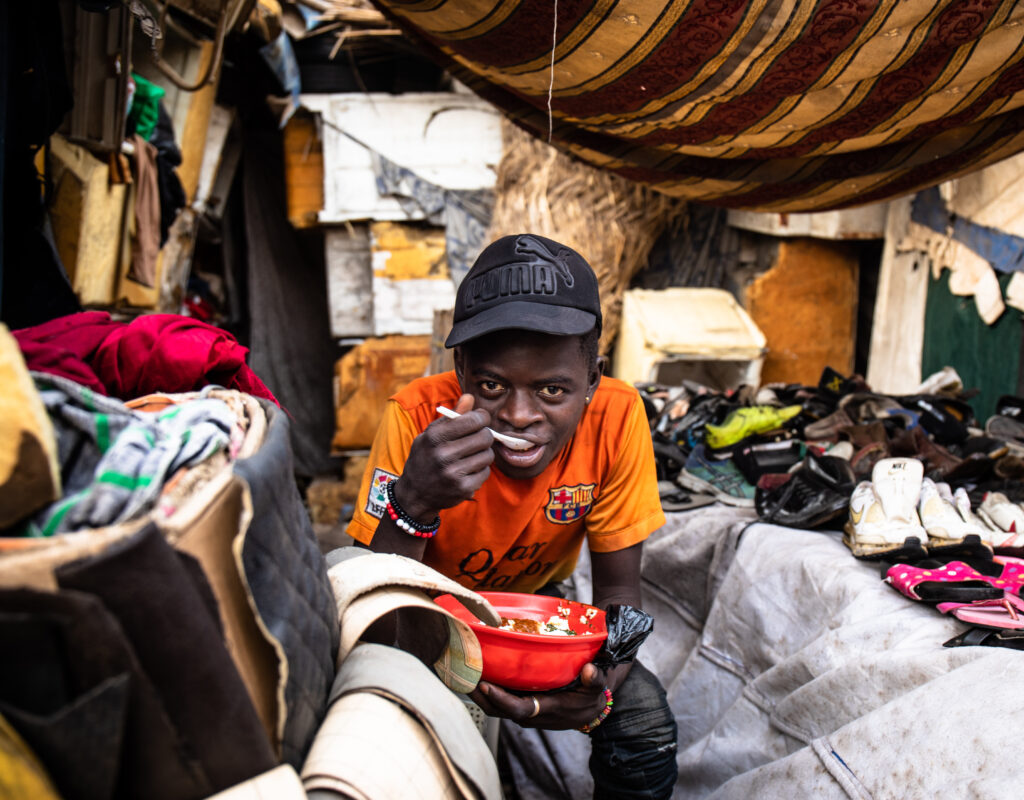
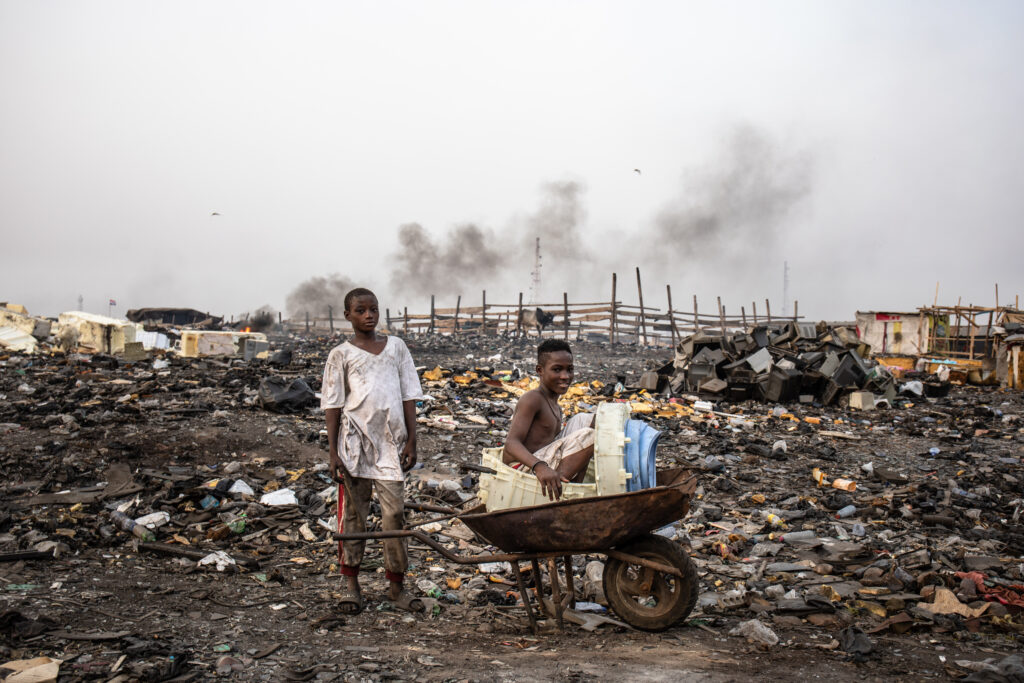
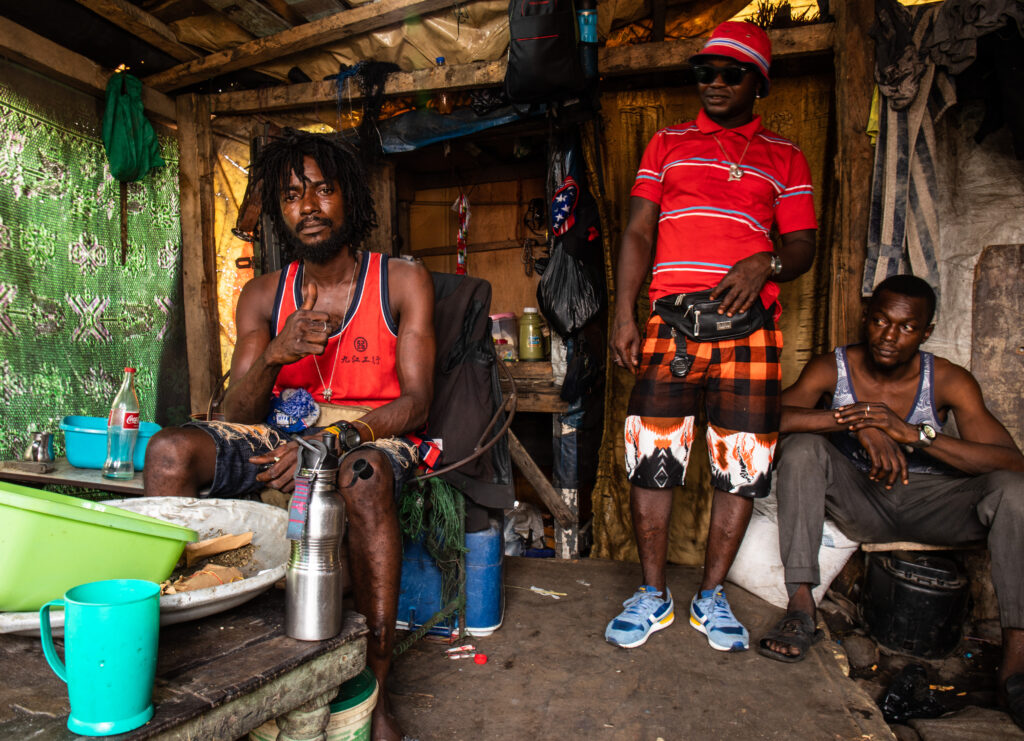
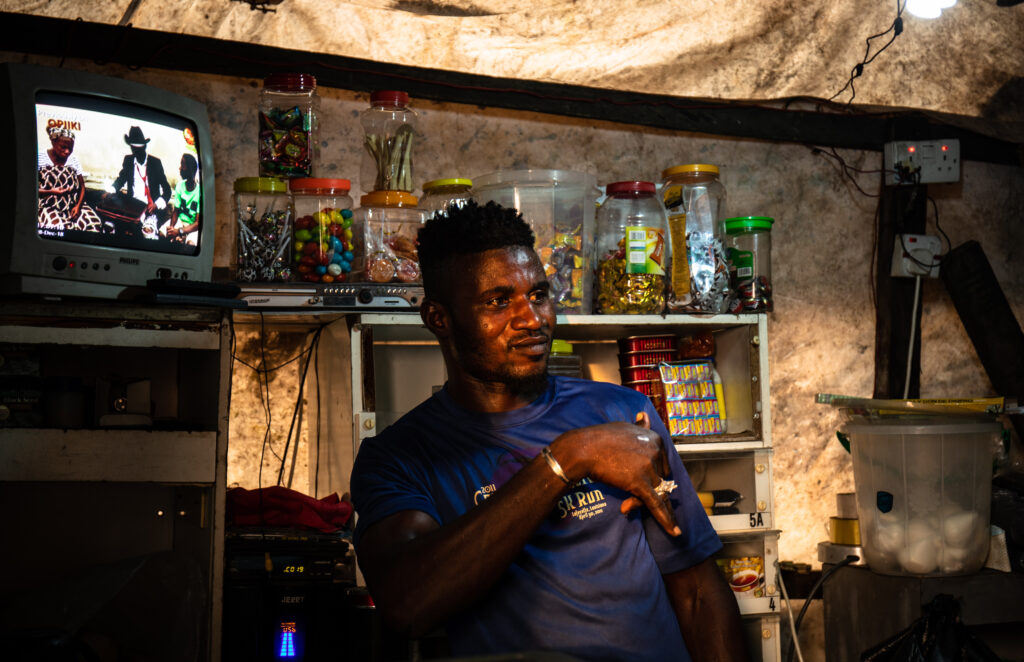
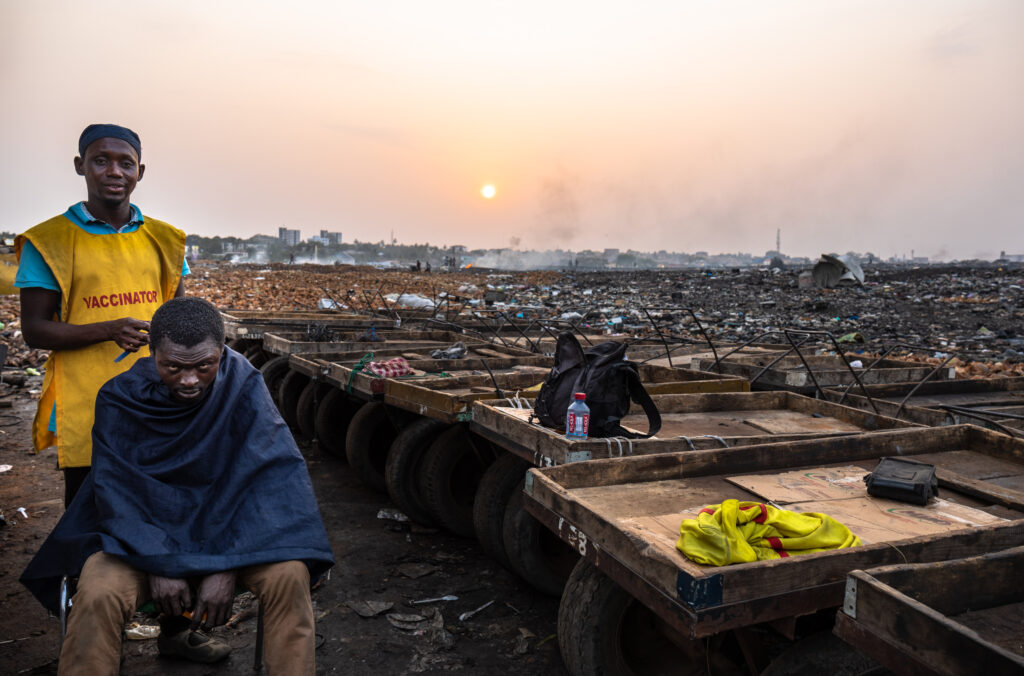
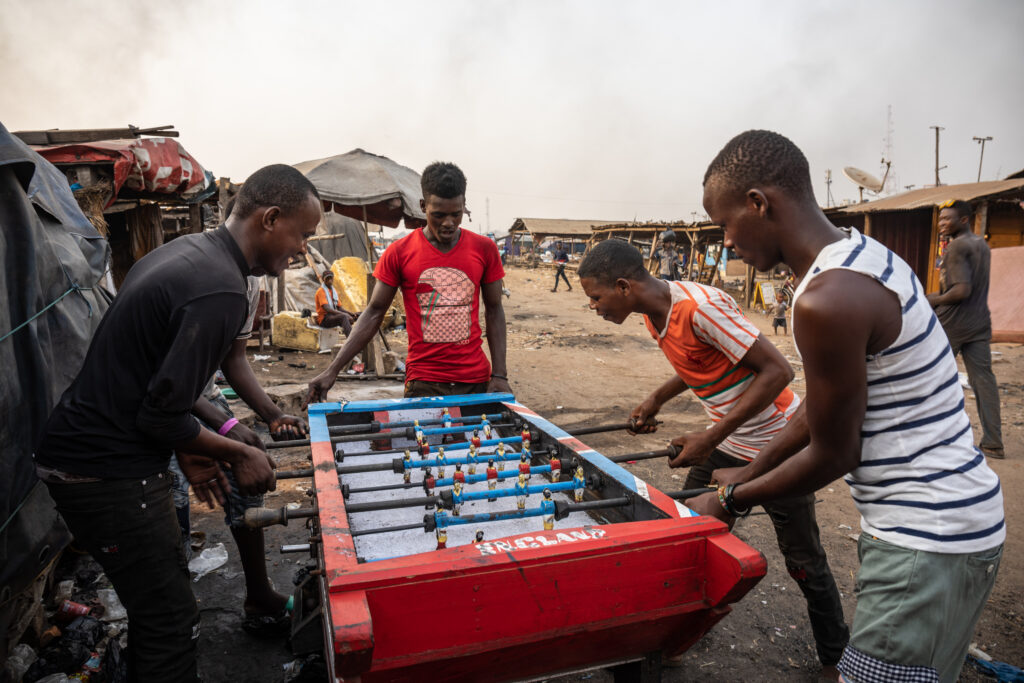
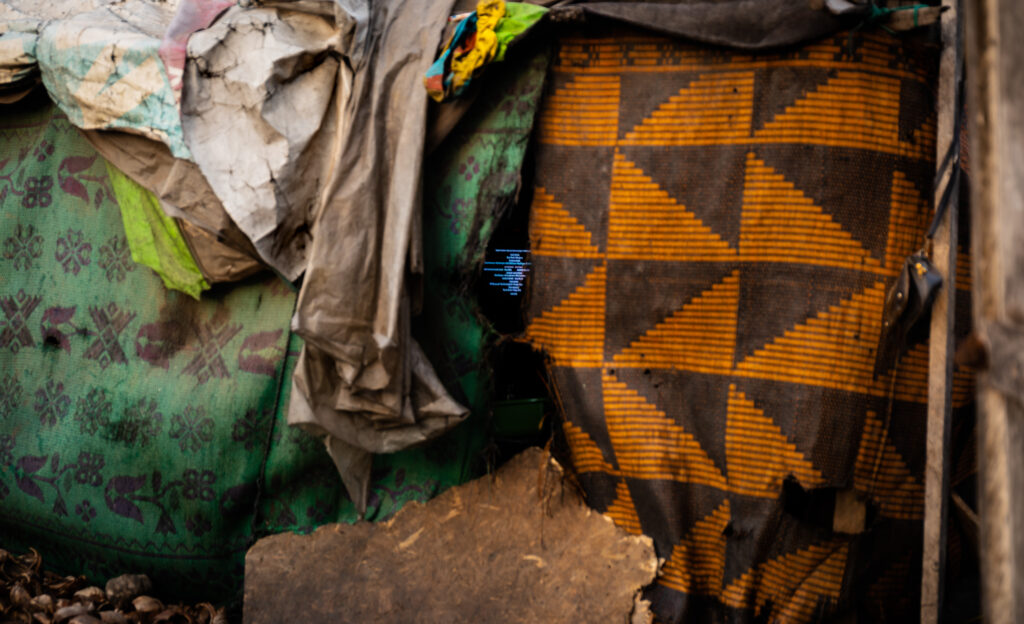
A preferred spot for locals to buy home appliances and auto parts, Agbogbloshie is also the story of once-displaced Ghanaians and immigrants particularly from Niger who are achieving their legitimate right to strive. They play a key role for so many outside its premises, e.g., electronic shops, second-hand TV sellers, and small convenient stores, let alone Accra residents in general.
Despite their share into the local and foreign economy—let’s ask Nigerien onion producers—, little is done to promote a healthier environment and support their role in a sustainable way.
At the end of the day, this is yet another story where migration inflows, whether displaced persons, refugees or immigrants, are implicitly regarded as encumbrances of progress rather than assets to progress. Marginalization comes next…