With policies across the world hitting economic migrants and their rights, particularly in the Western Hemisphere, it is worth it to explore places where policies are more commonsense.
After nearly ten years of restrictive policies from 2015 to 2023, Niger has understood that migration flows can support the livelihoods of its people by decriminalizing migration.
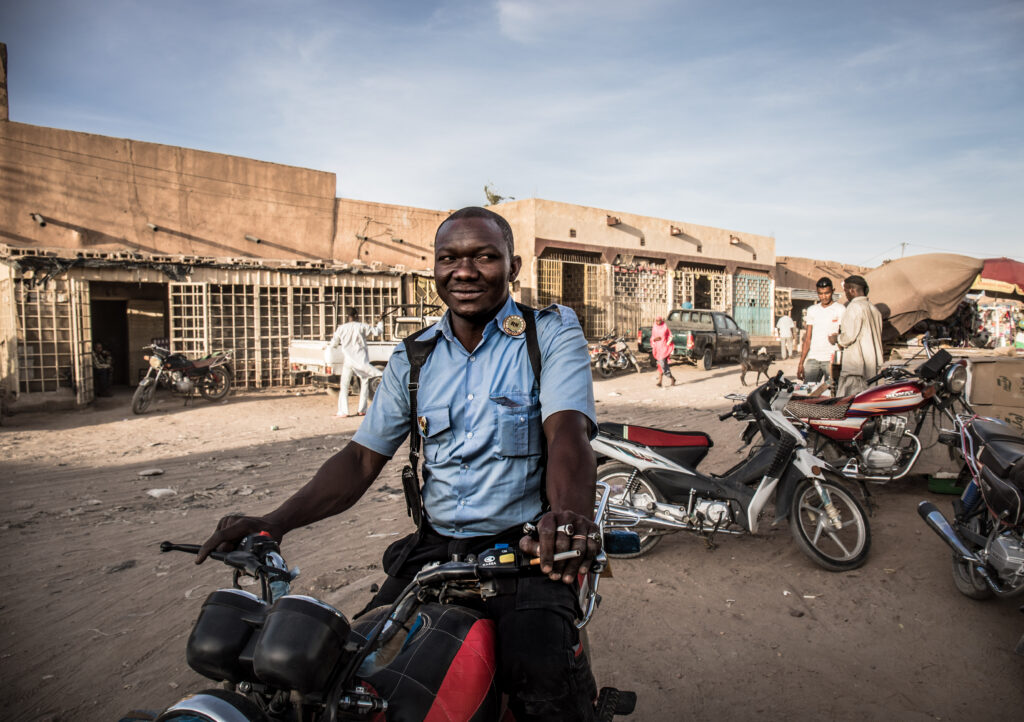

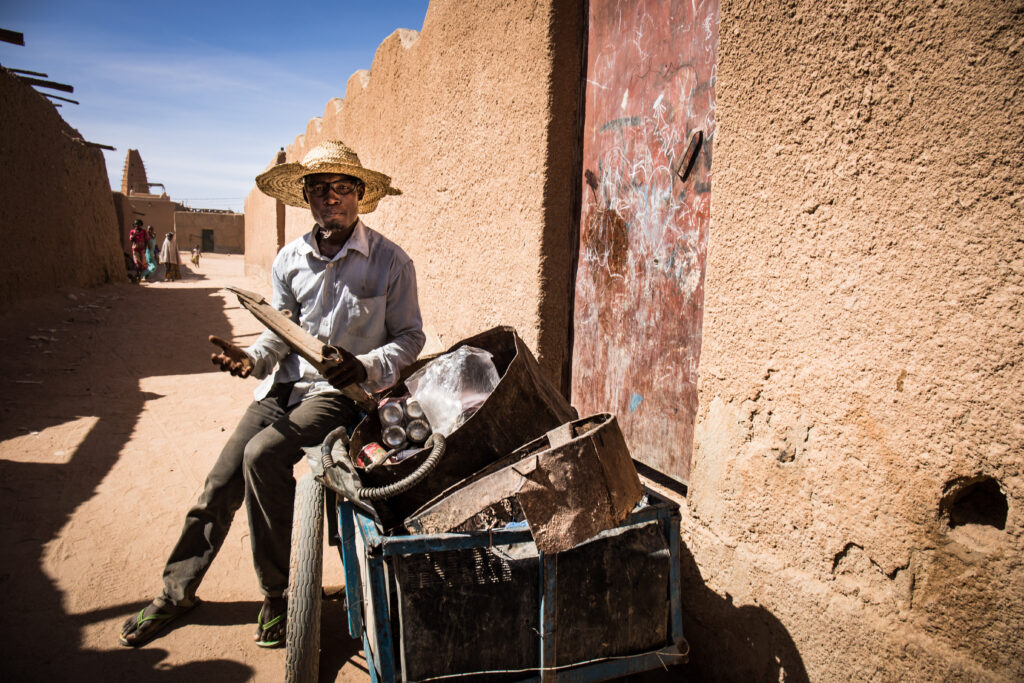
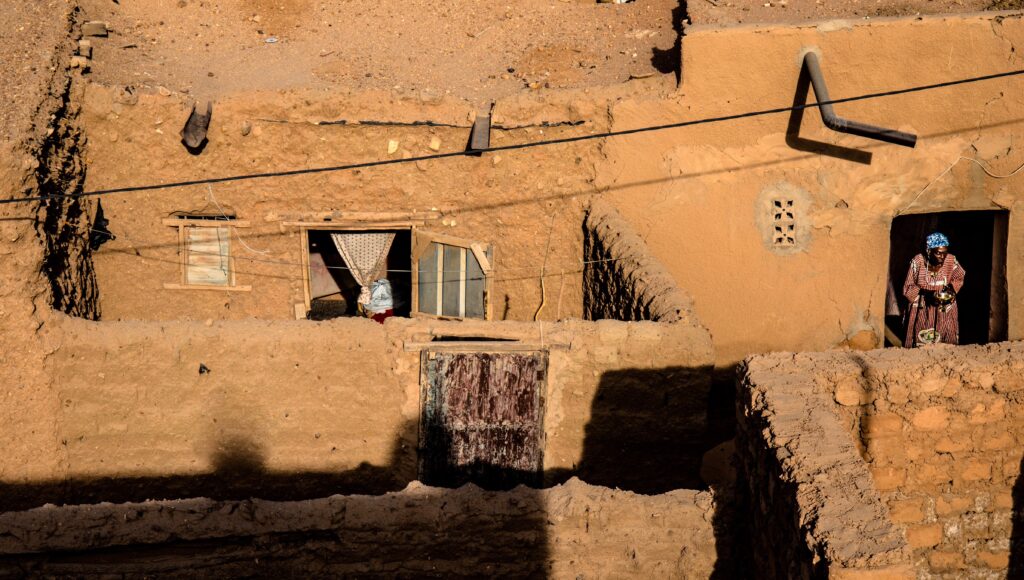
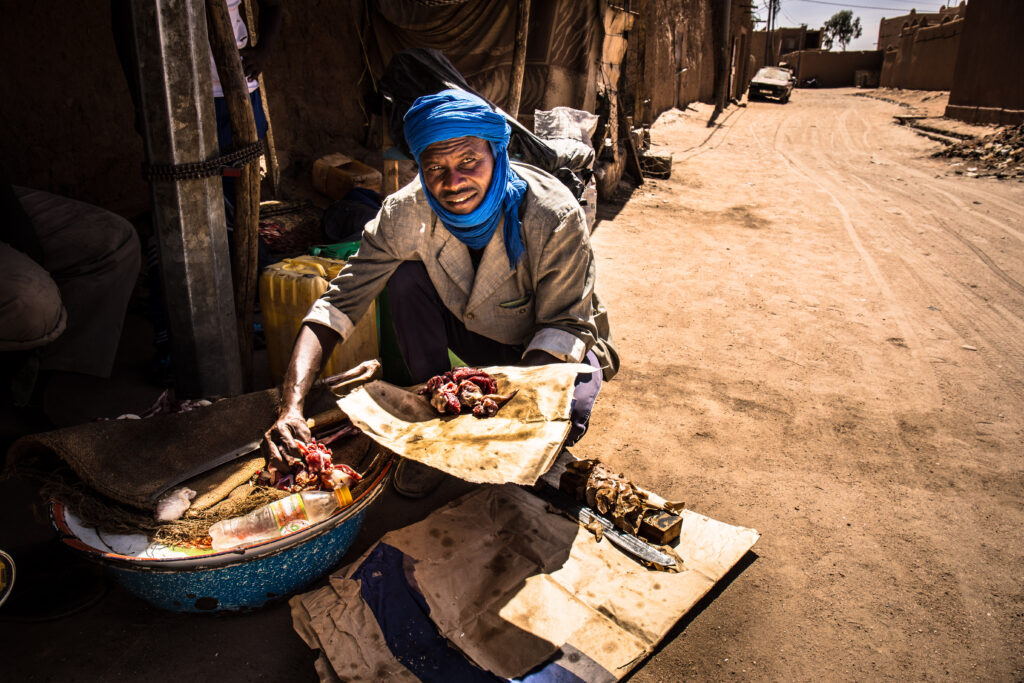
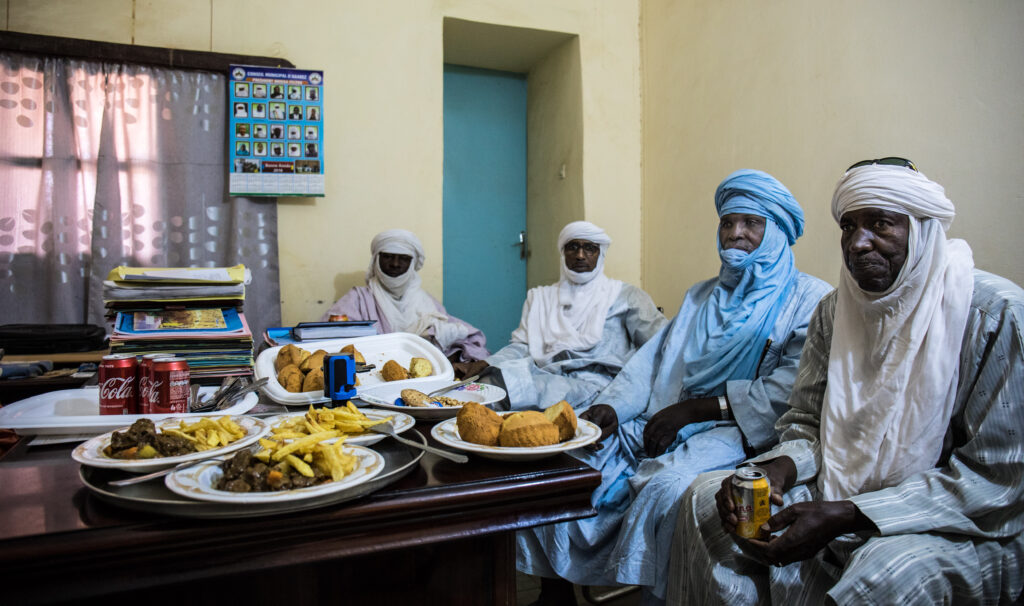
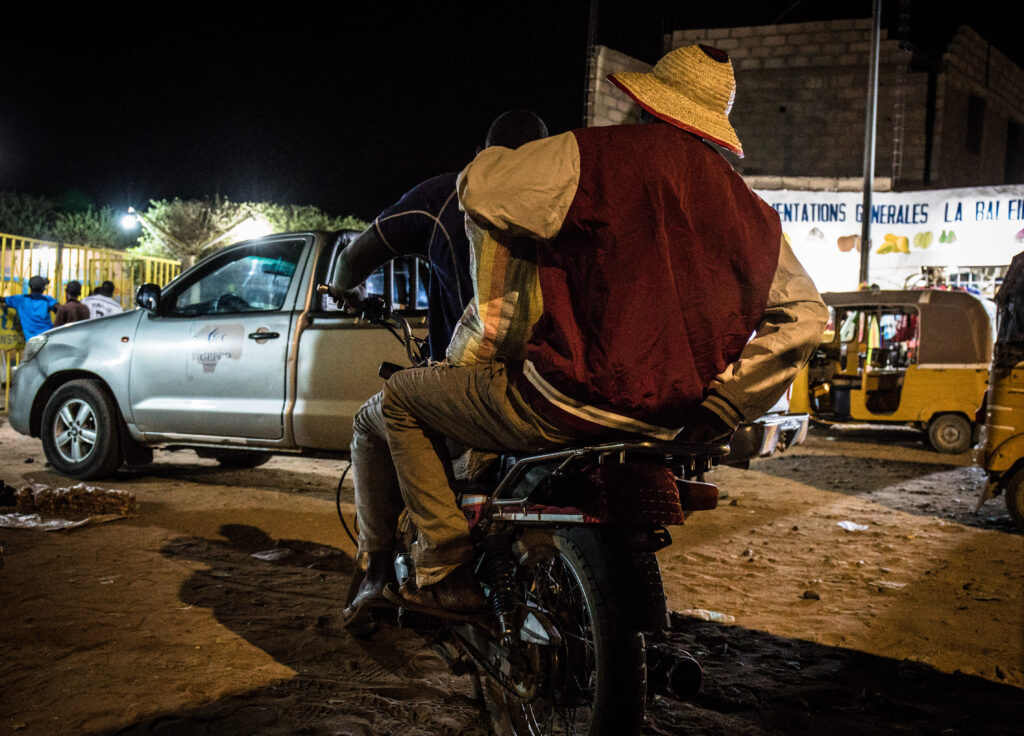
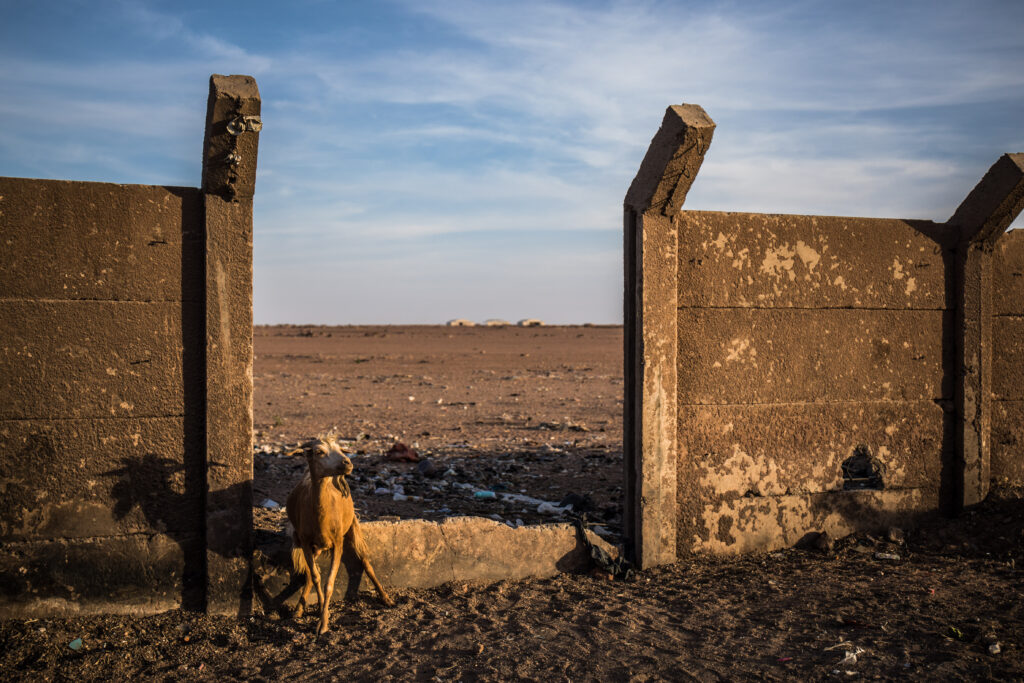
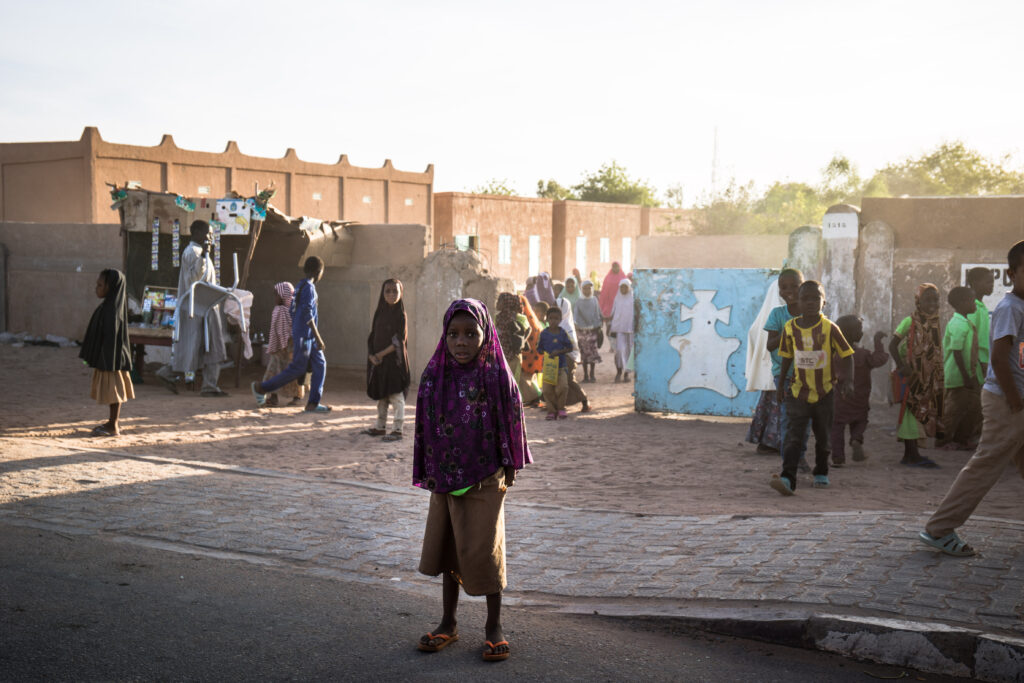
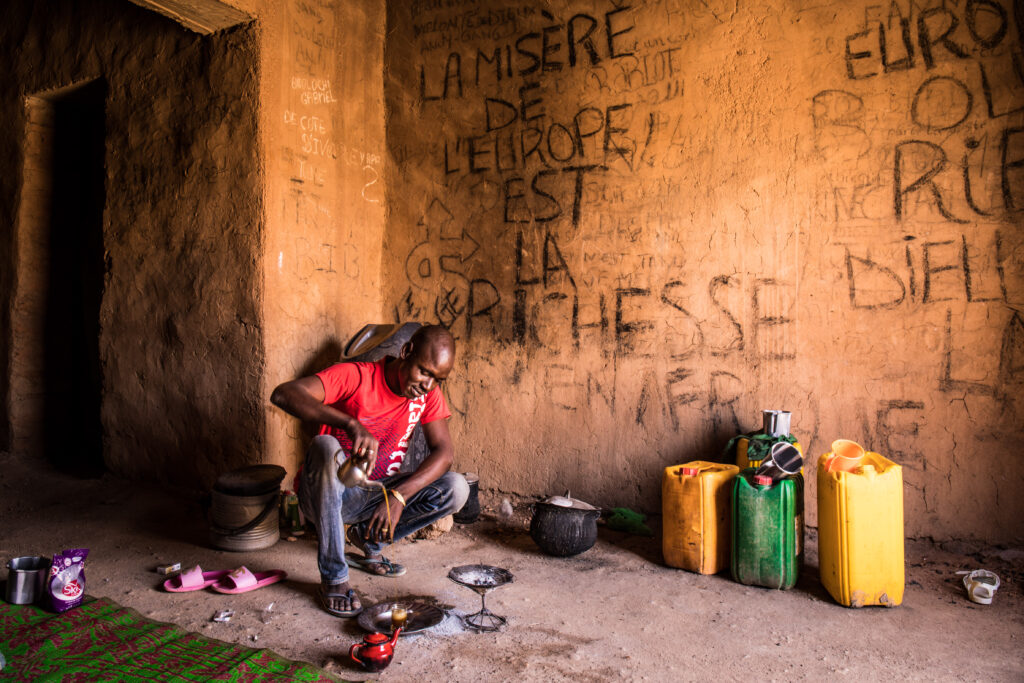
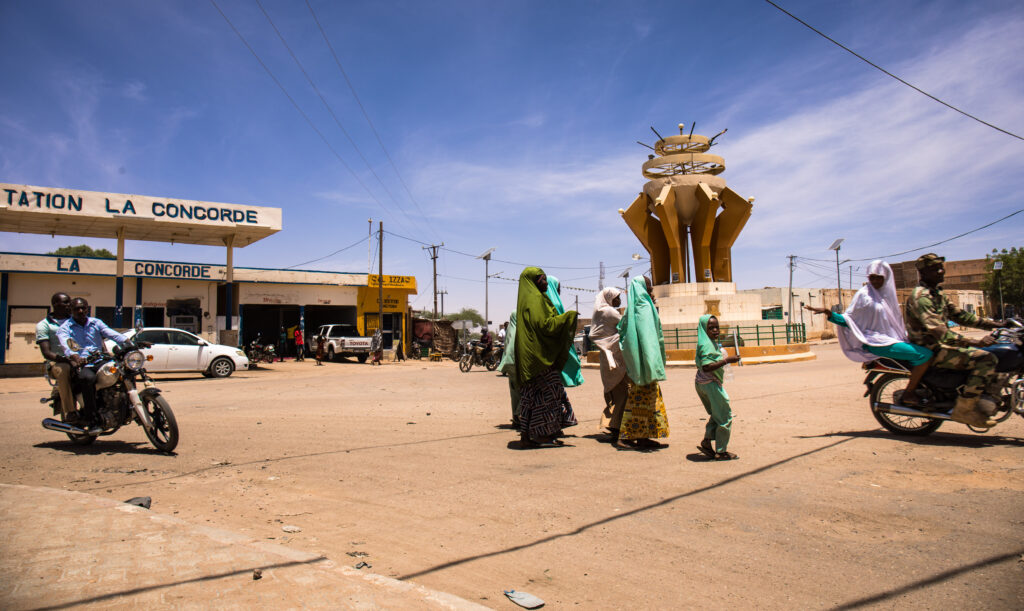
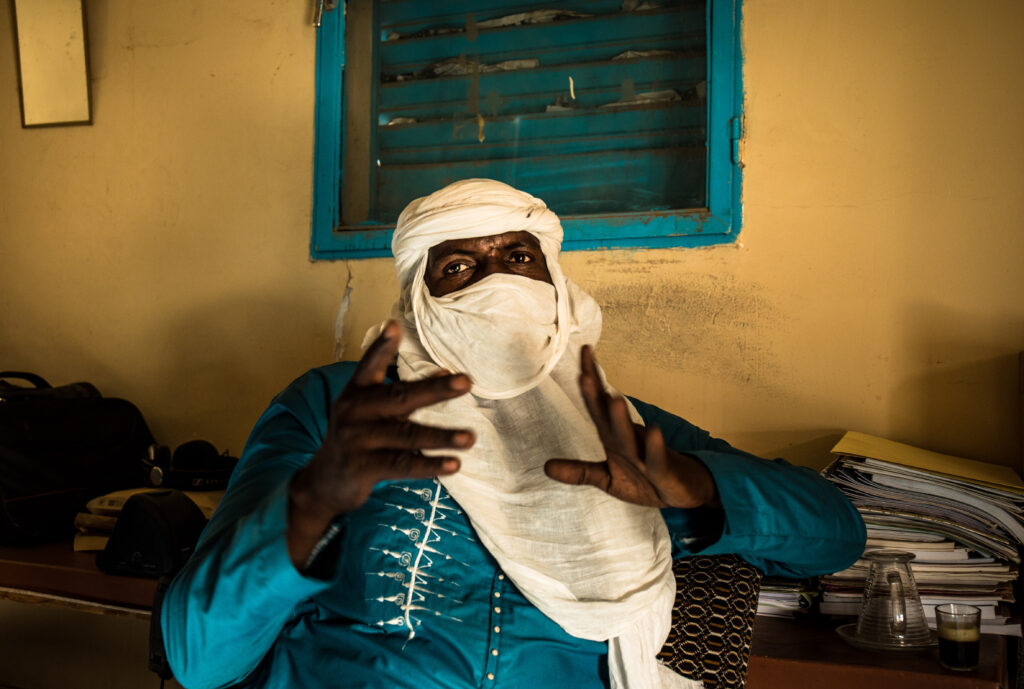
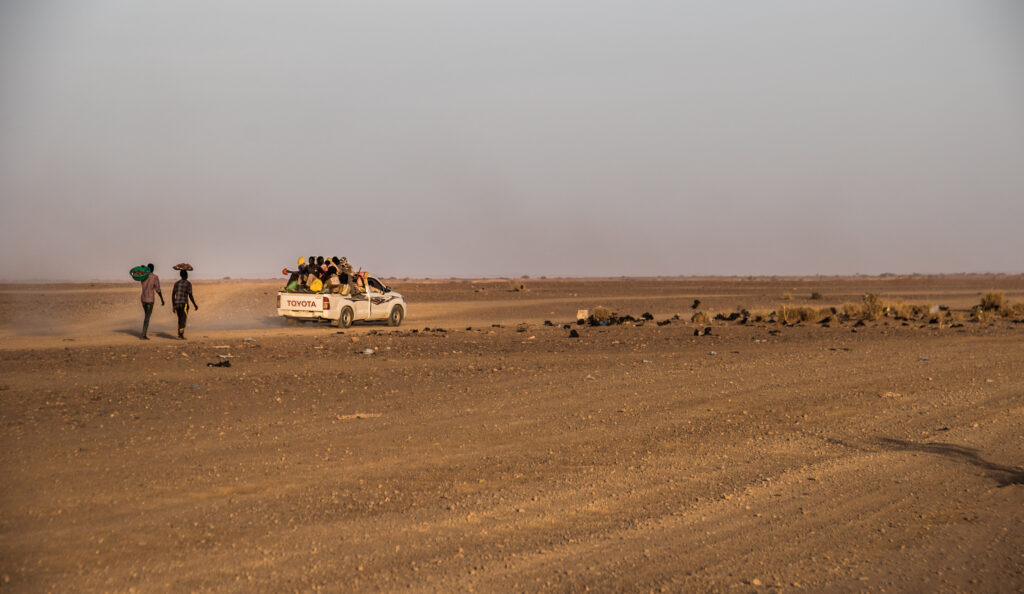
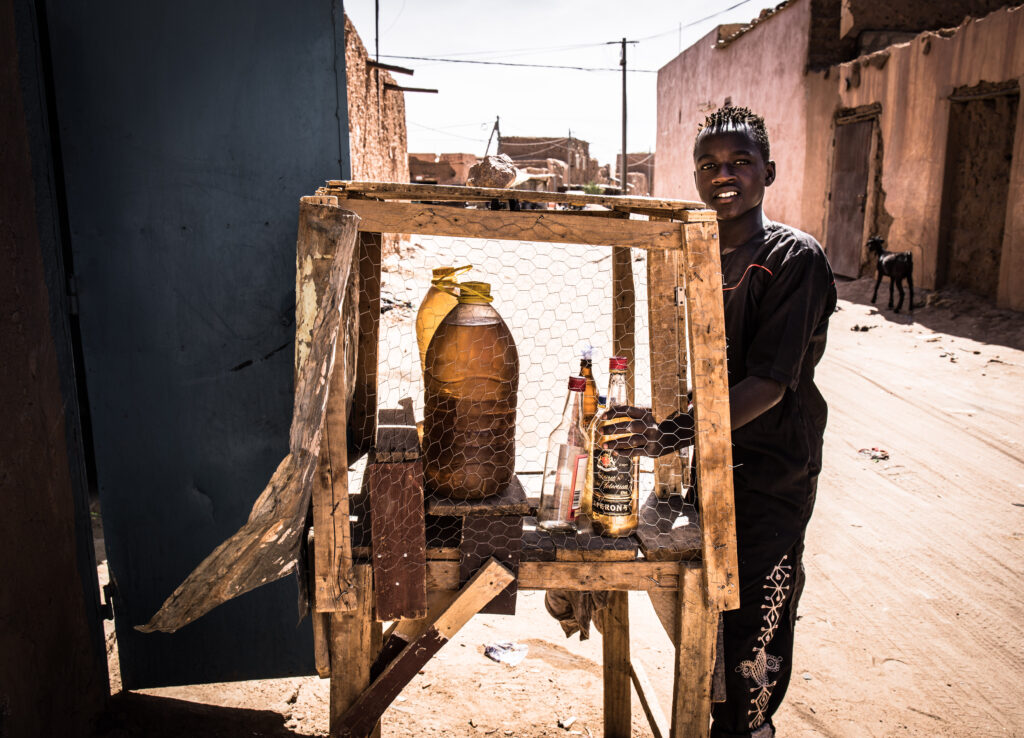
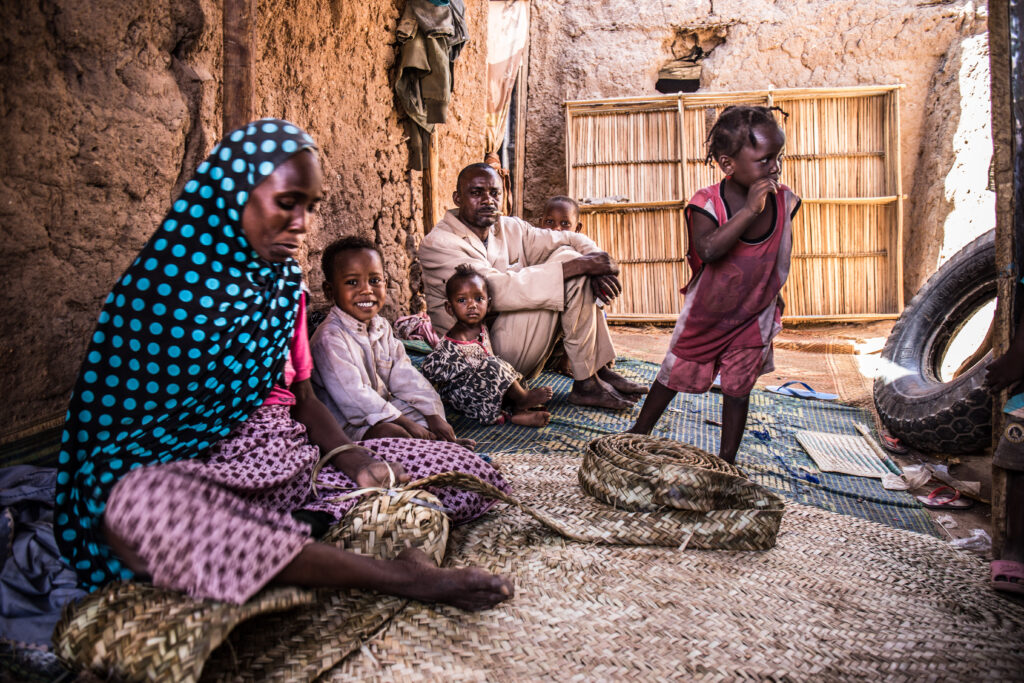
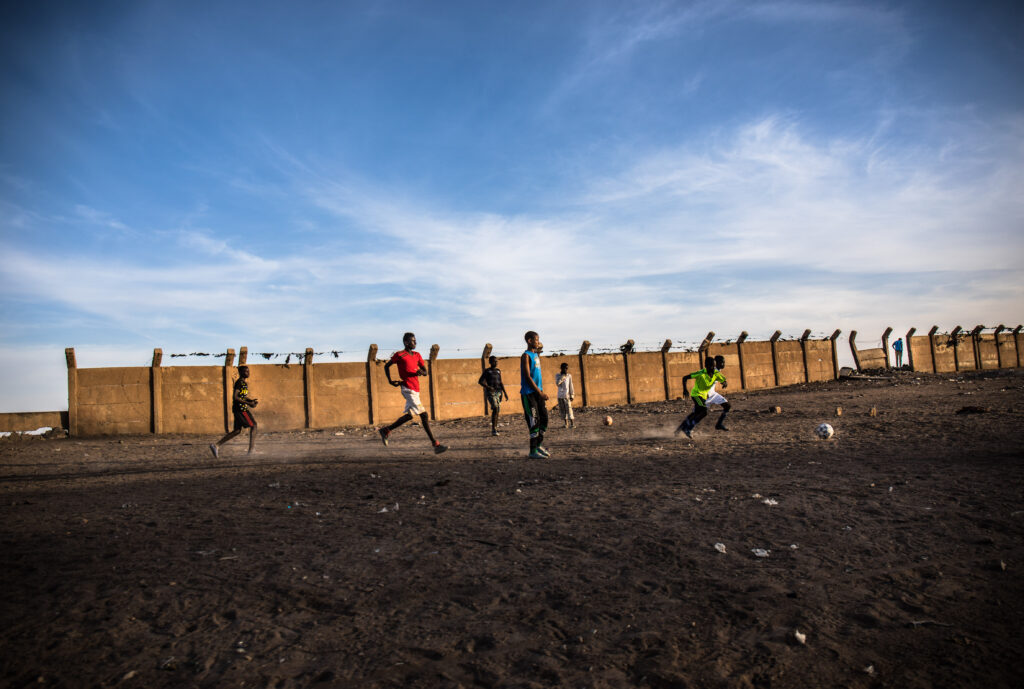

This shift in policy must do mainly with Niger’s central point for migrants, Agadez. Indeed, Agadez cannot be understood without migration flows. Not only its economy used to depend on them, but also its social cohesion was paradoxically interrelated to this phenomenon.
When Niger enacted a law to contain migration flows in 2015, the city’s shape was altered. Scarcity and anonymity were embedded in the day-to-day life. On the one hand, the streets of Agadez looked isolated at times and only few businesses seemed to fully operate. The economy no longer had the same rhythm. On the other hand, the security scheme had made migrants more isolated, pushing many to riskier routes, including through Chad and Sudan.
Despite years of restrictions toward immigrants, Agadez kept its beauty both in terms of its unique style and the way people continue to refer to migrants, i.e., people whose only desire is to have a better life for them and their families.
Niger was one of the 192 U.N. Member States that agreed on an historic and all-encompassing agreement on migration, the so-called Global Compact on Migration, adopted in Morocco in 2018. And now, after three years of having repealed Law 2015-36, Niger seems to be one of the few countries which still remembers what such a Global Compact was all about.