Hargeisa is a key urban center in the Horn of Africa. Its peaceful atmosphere contrasts with its political stance and security challenges. It is a vibrant city that brings hopes to many.
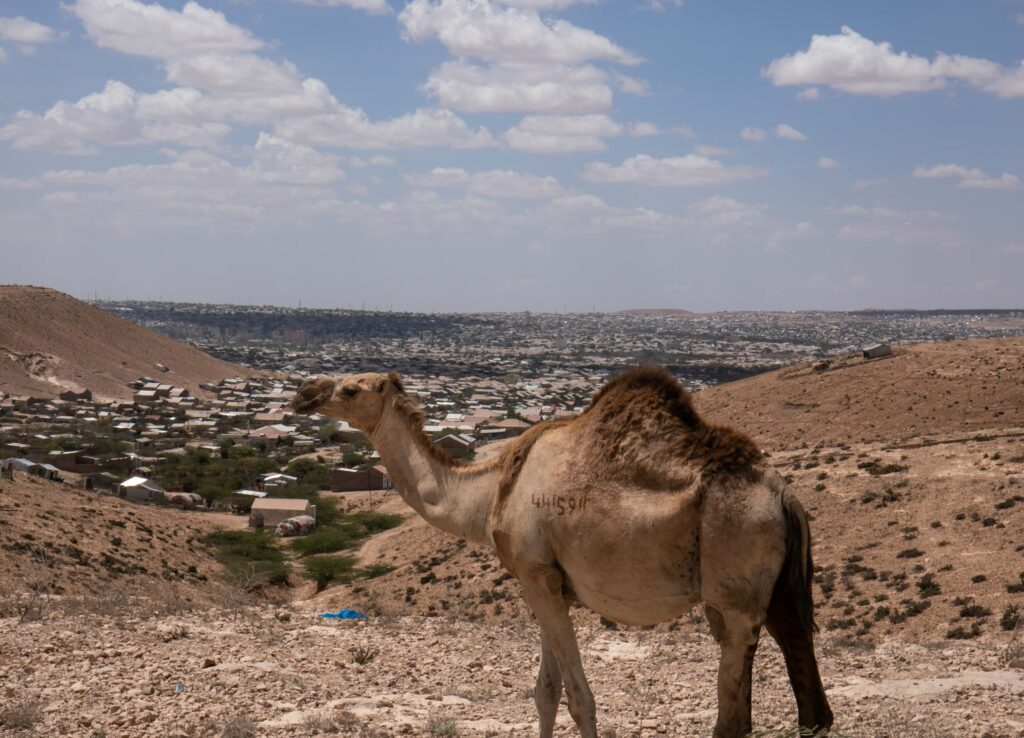
Back in the days, Hargeisa was the town in the region where caravans of traders would bring the harga or animal hide—particularly camel hide—to cure it and export it. The city’s tradition as a place of transit, settling, and trade is still vivid today. Over the past three decades, thousands of migrants have settled in Hargeisa, including Ethiopian immigrants from the 1990s, internal displaced people by droughts, and, more recently, Yemenis fleeing the current war.
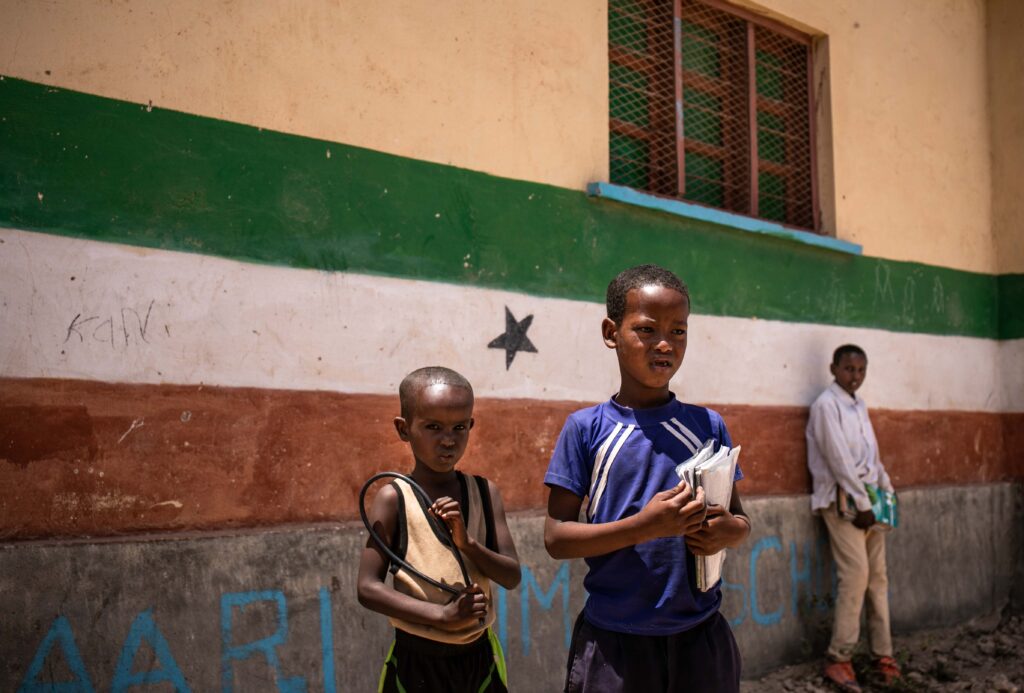
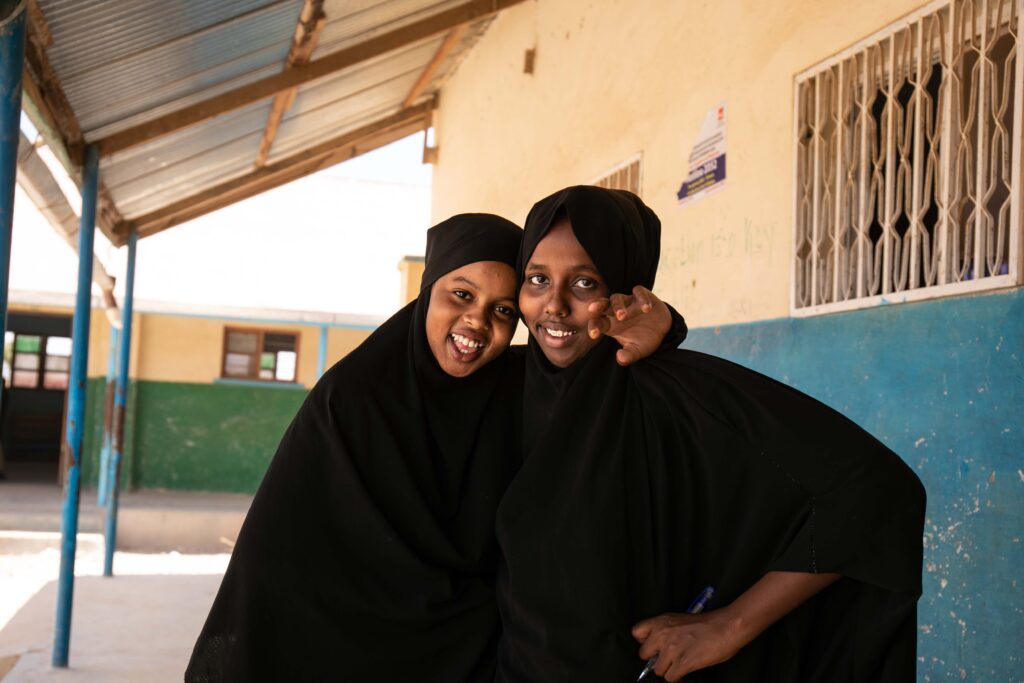
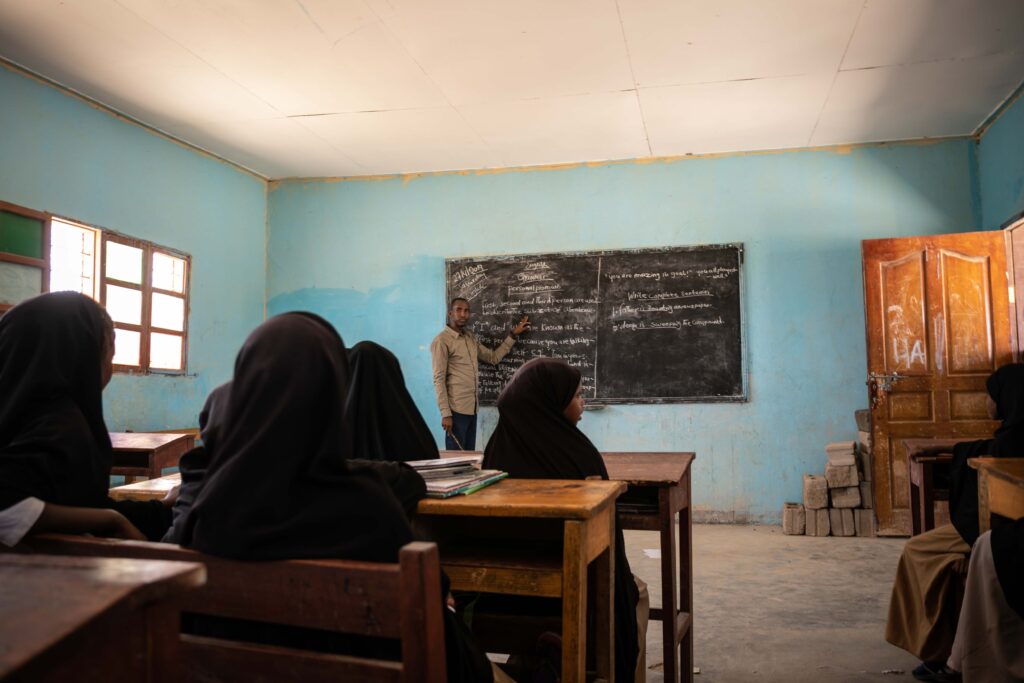
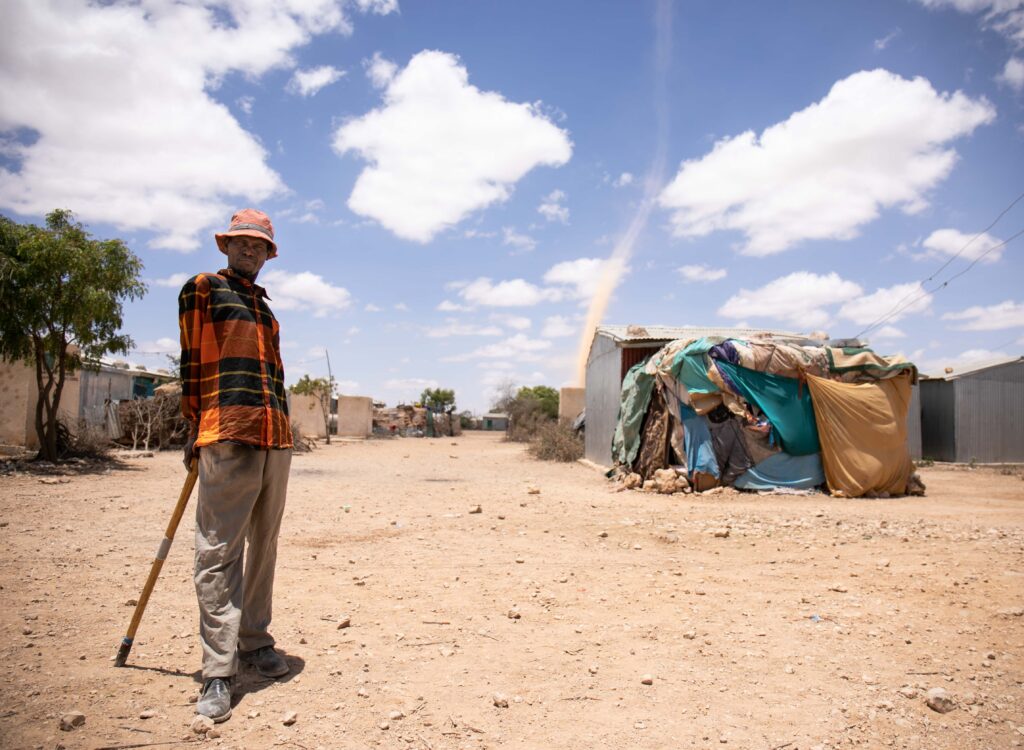
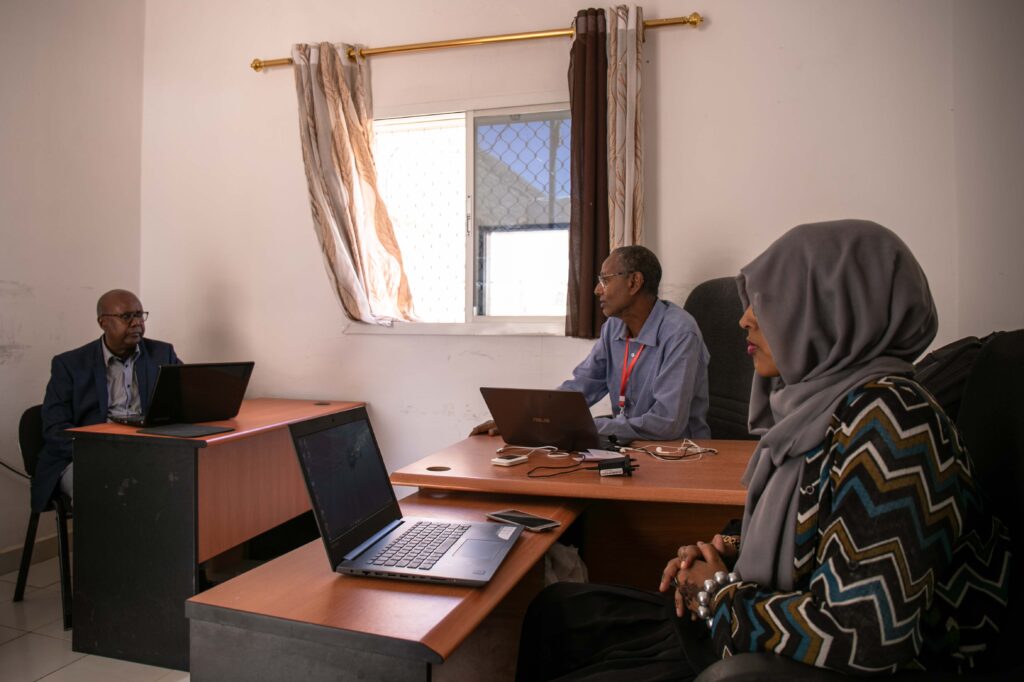
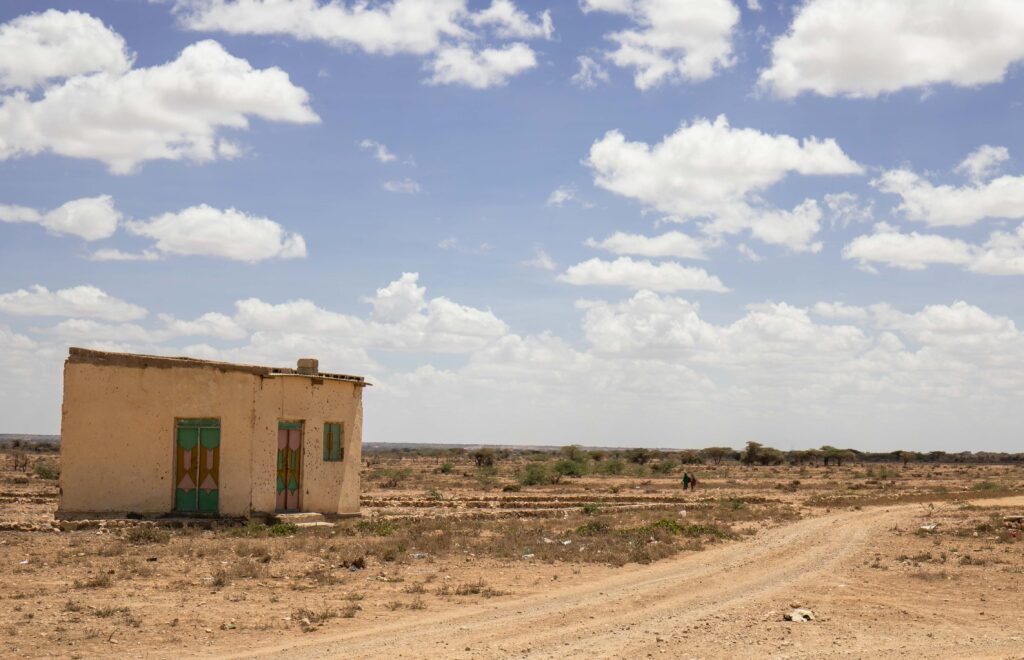
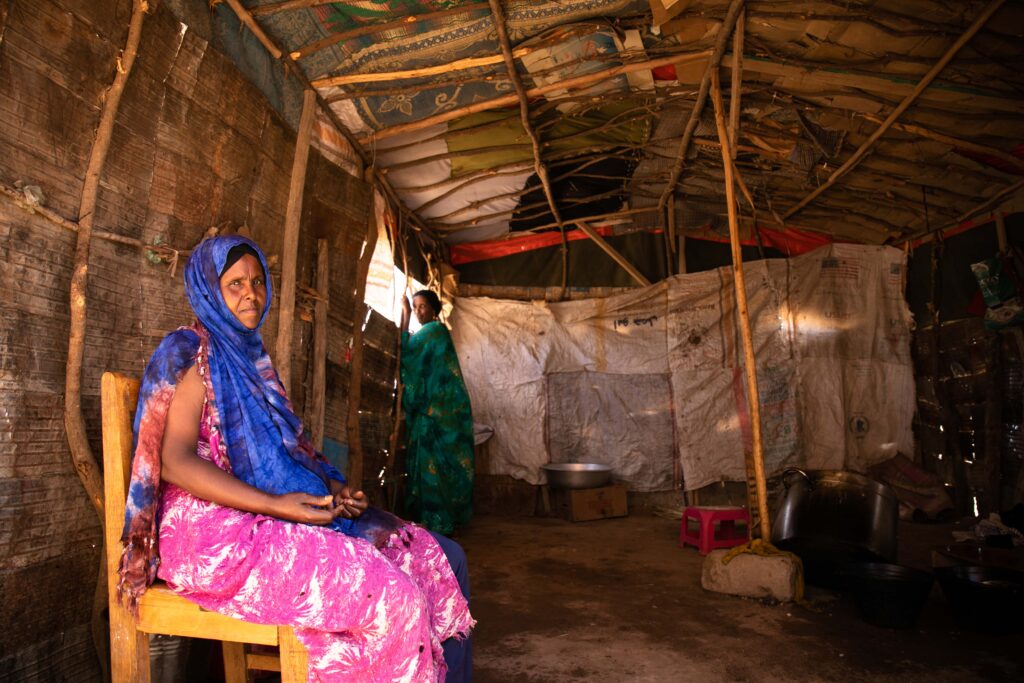
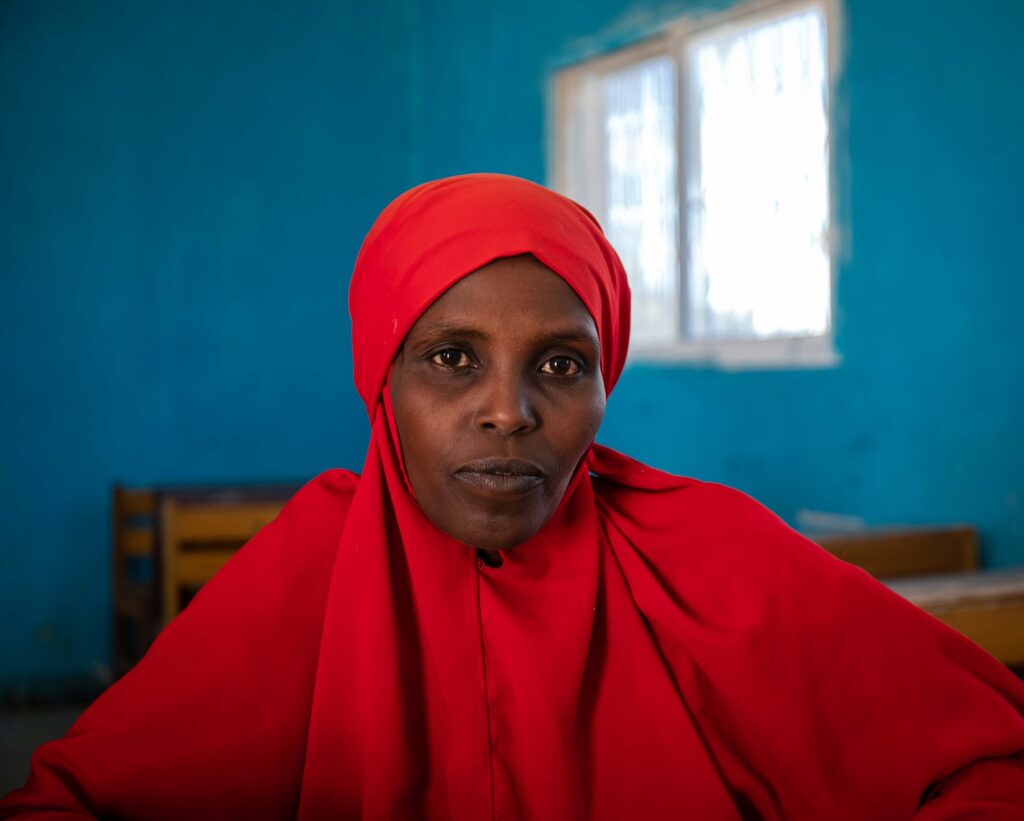
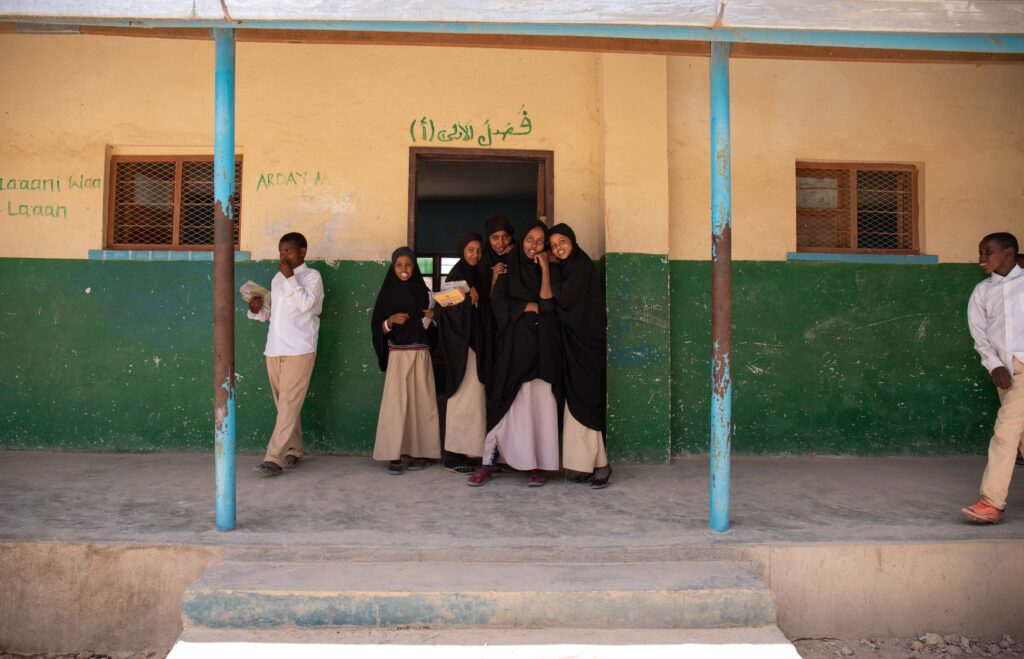
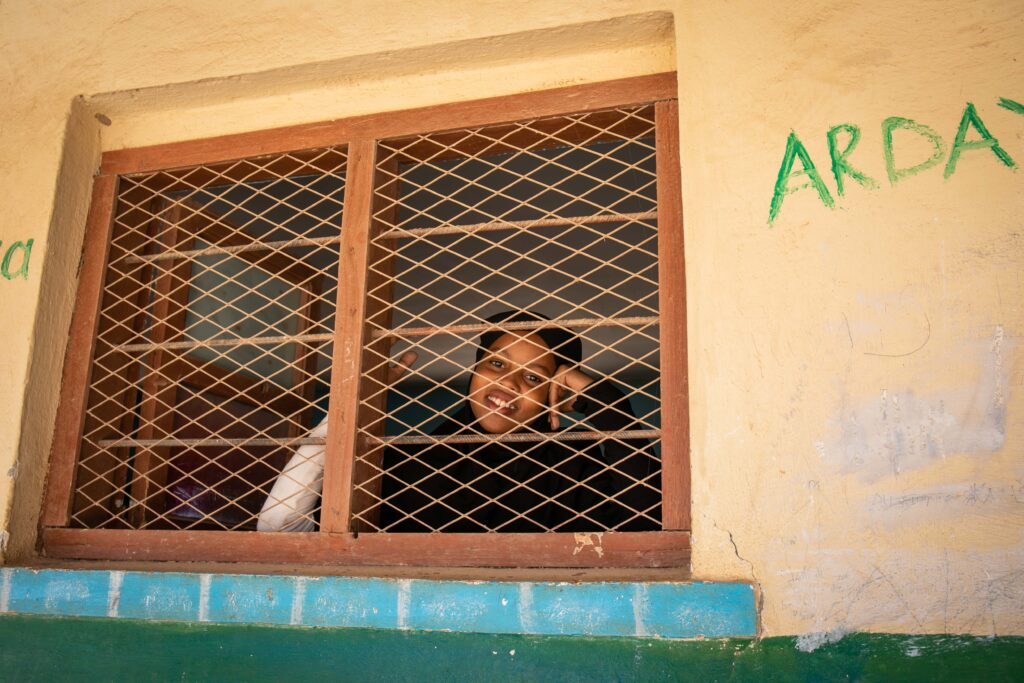
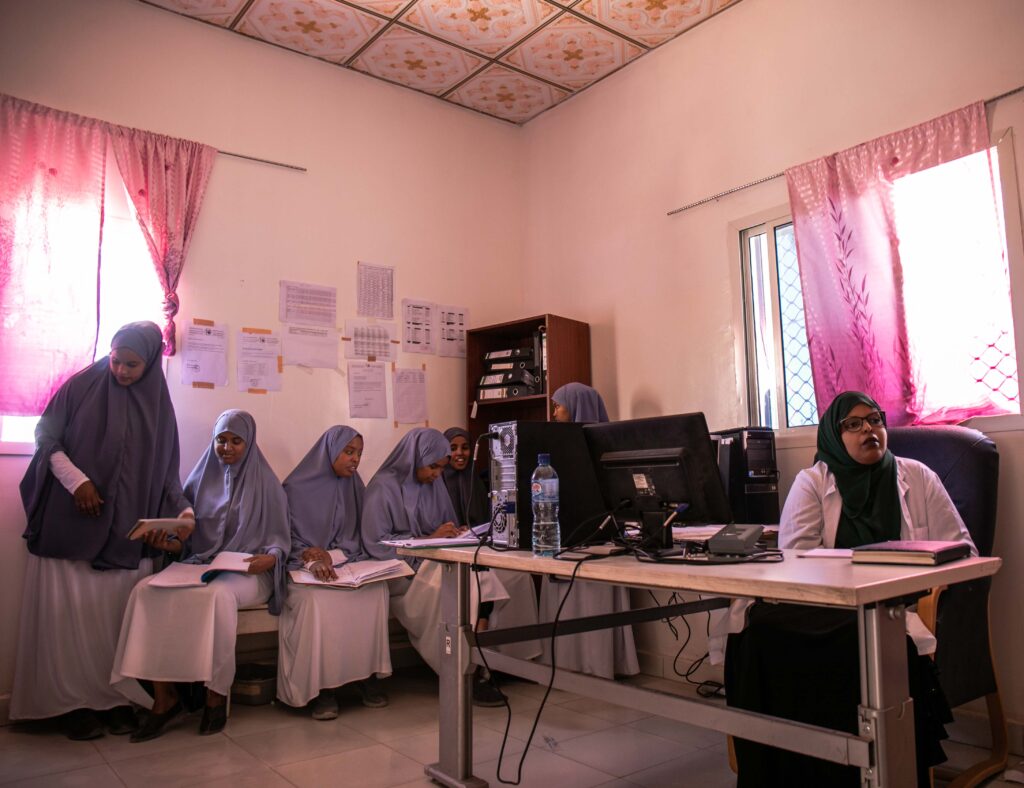
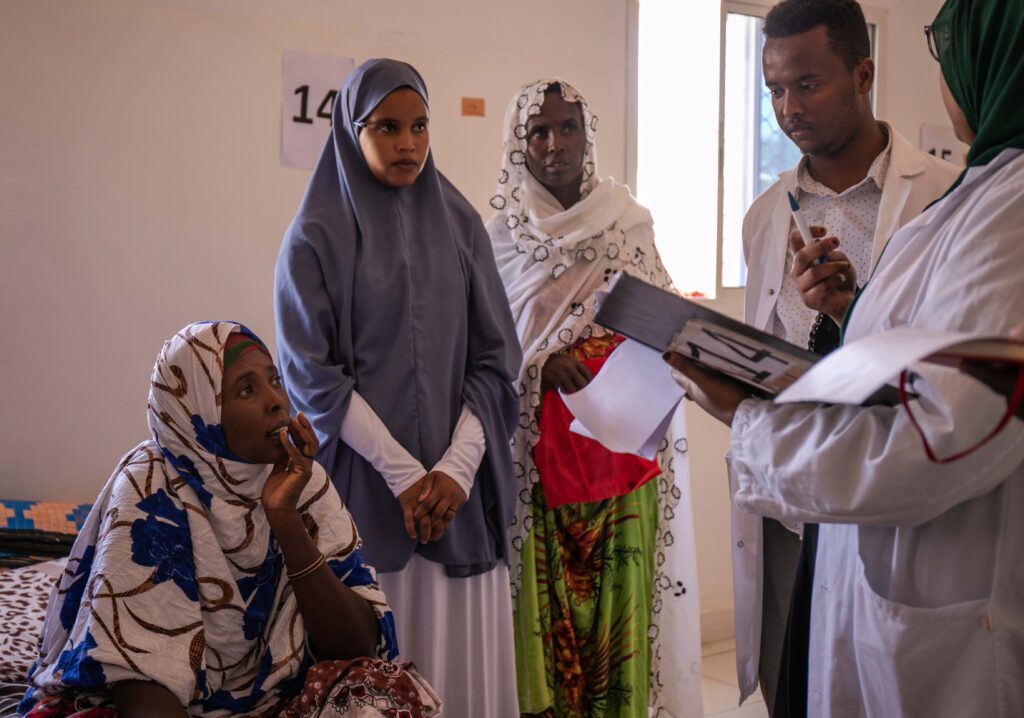
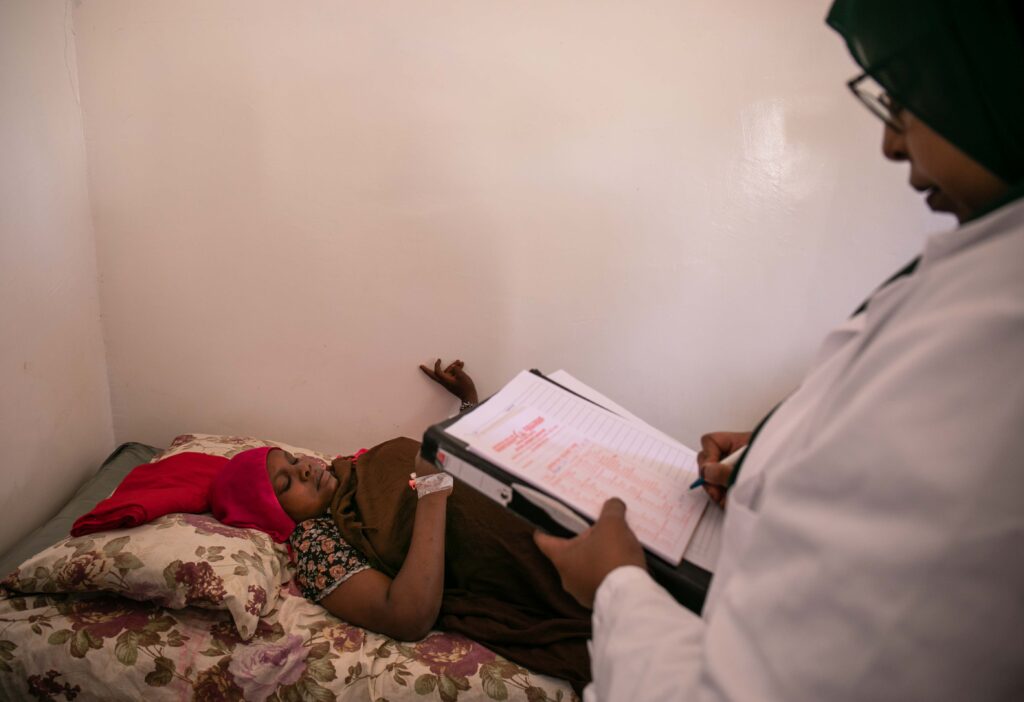
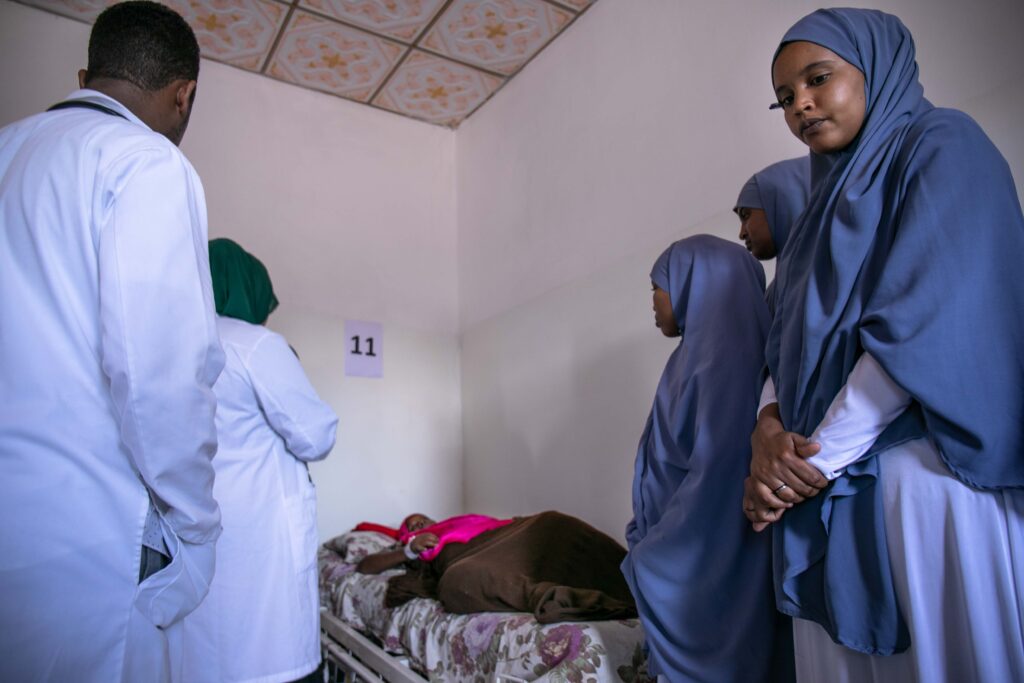
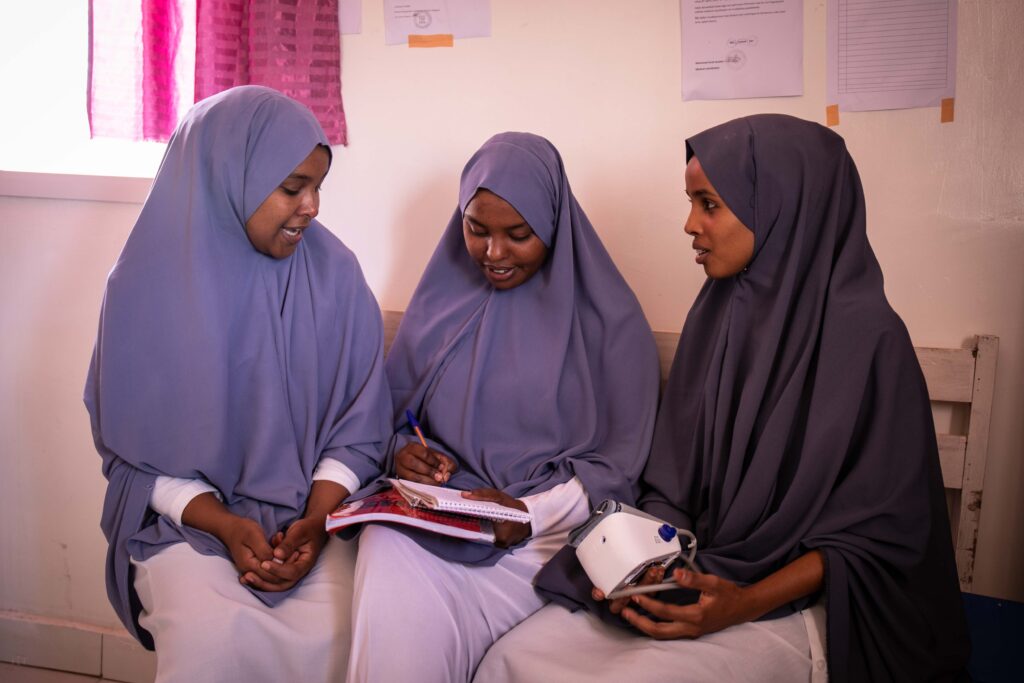
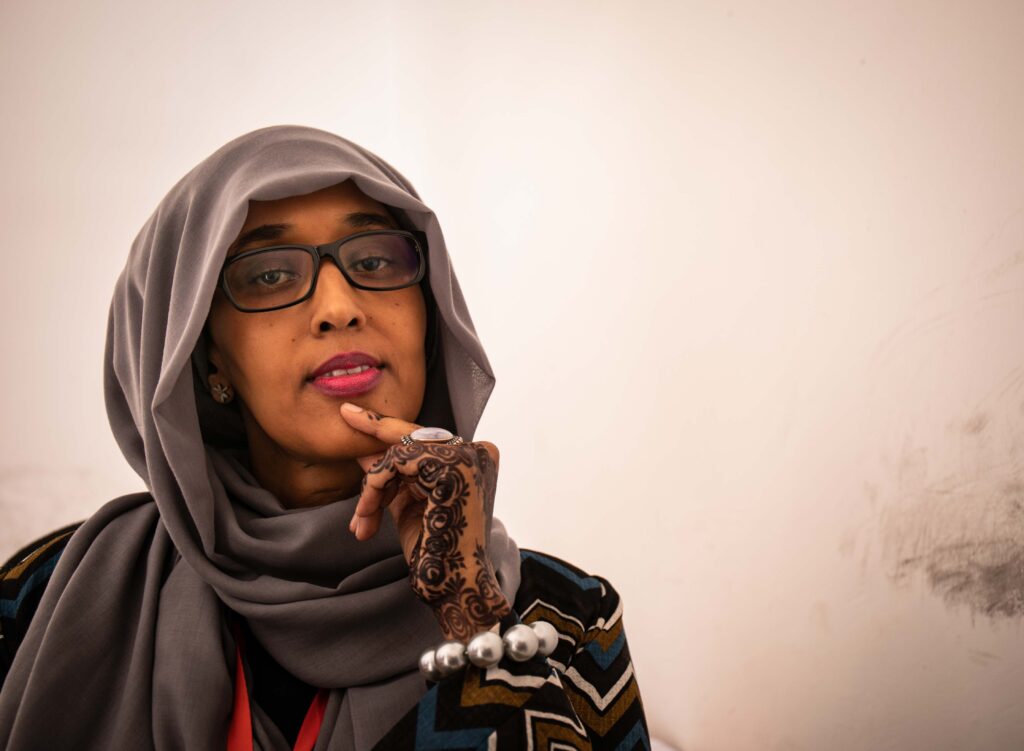
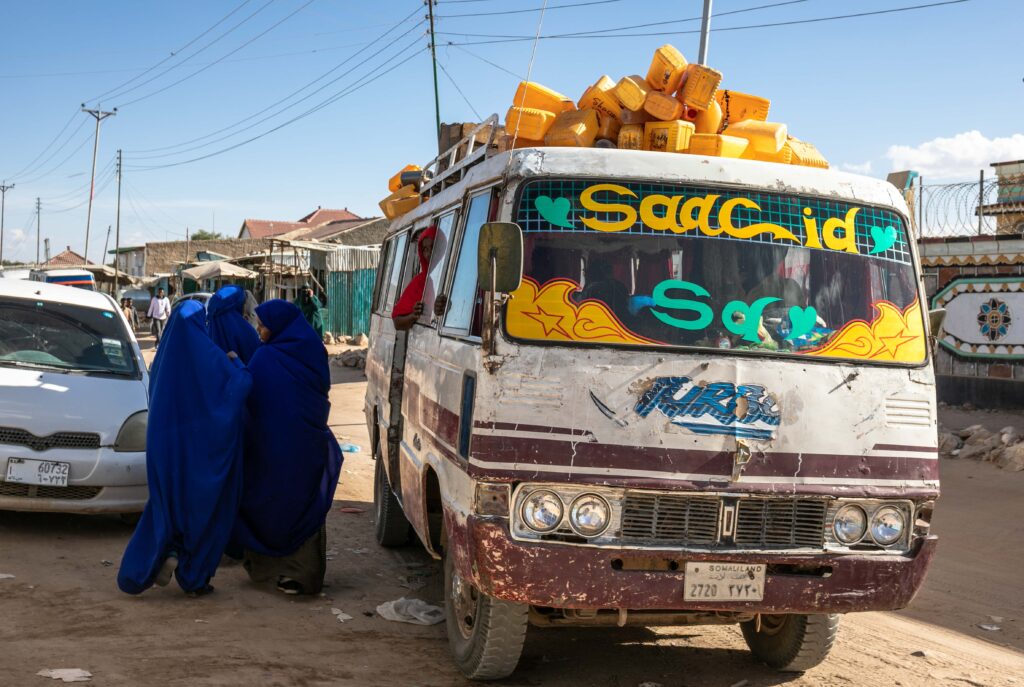
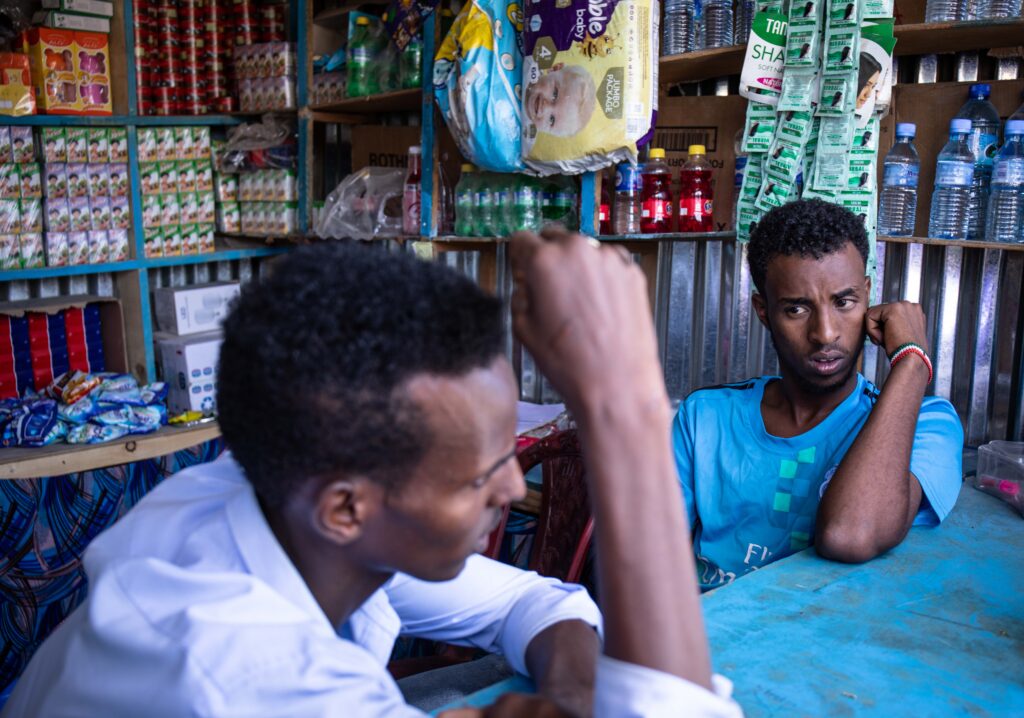
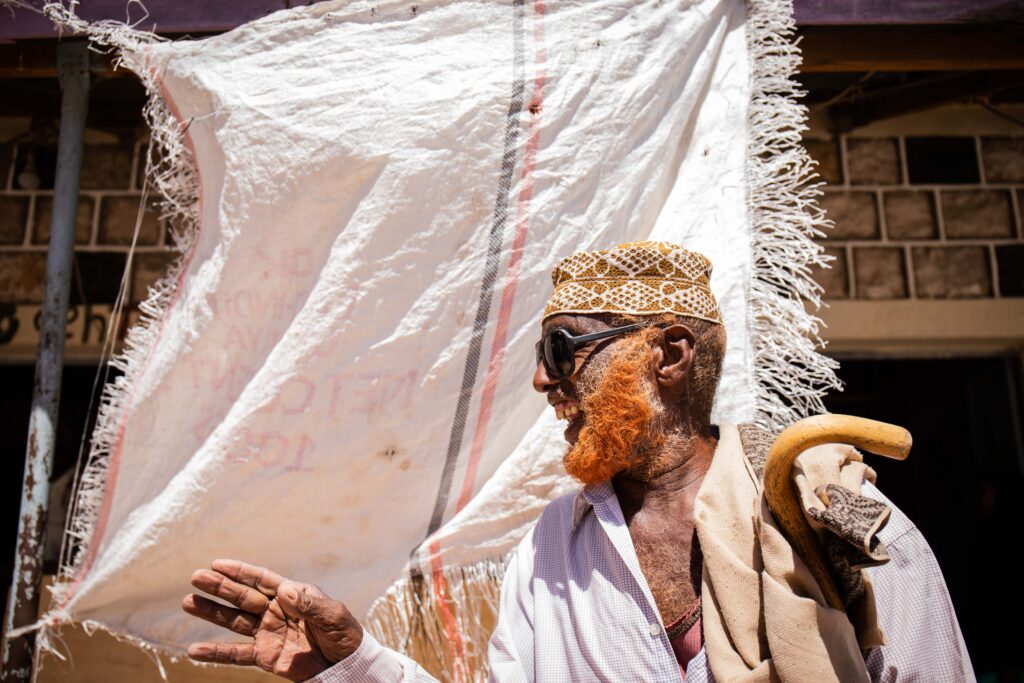
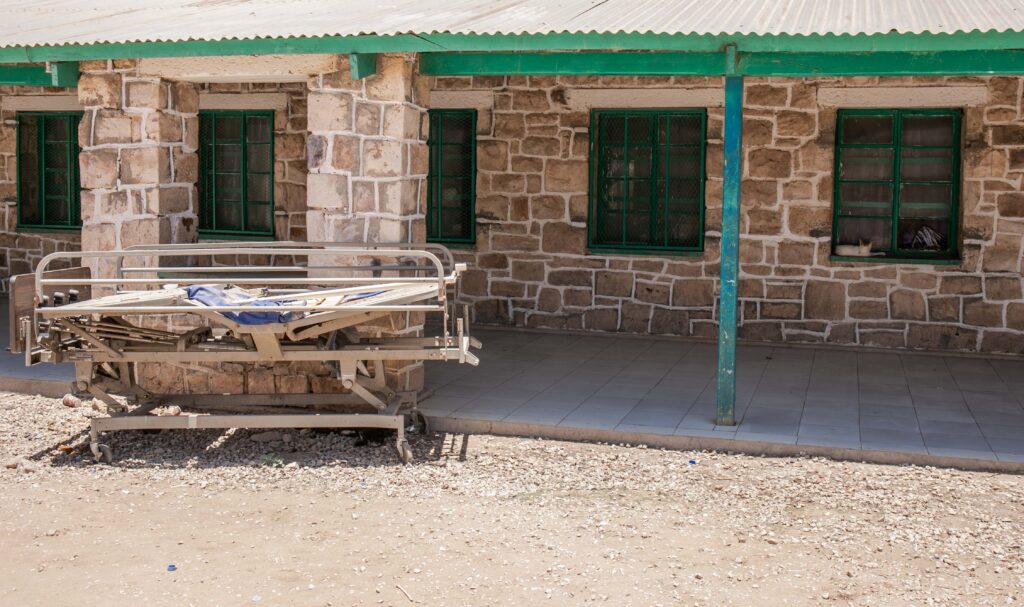
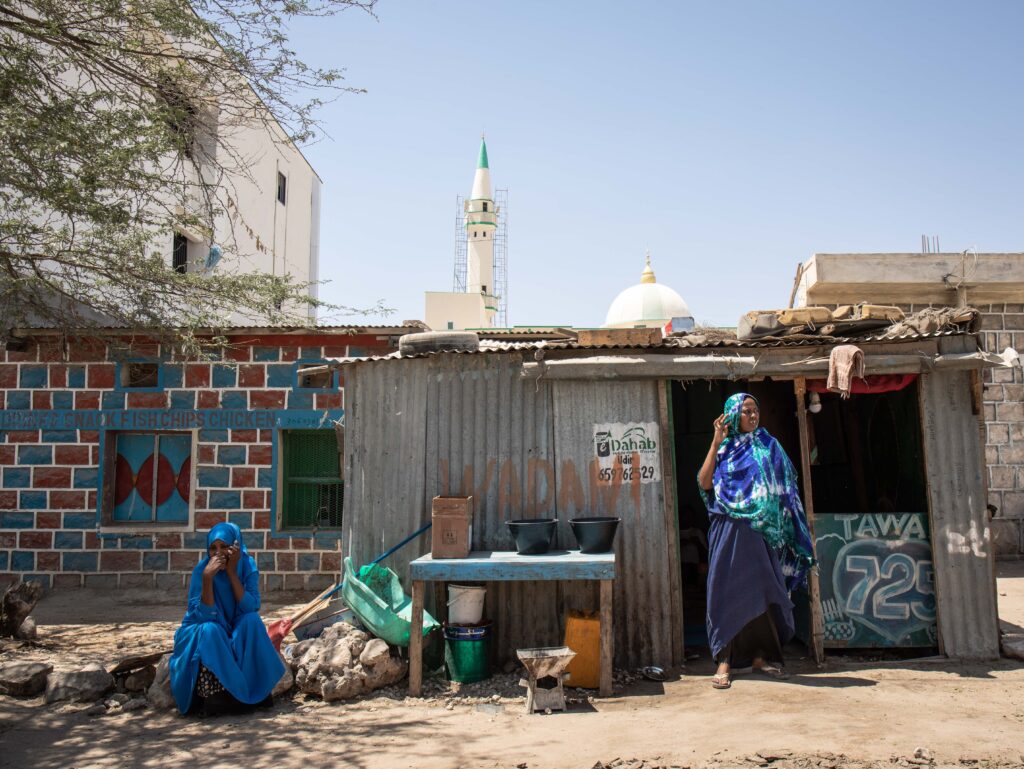
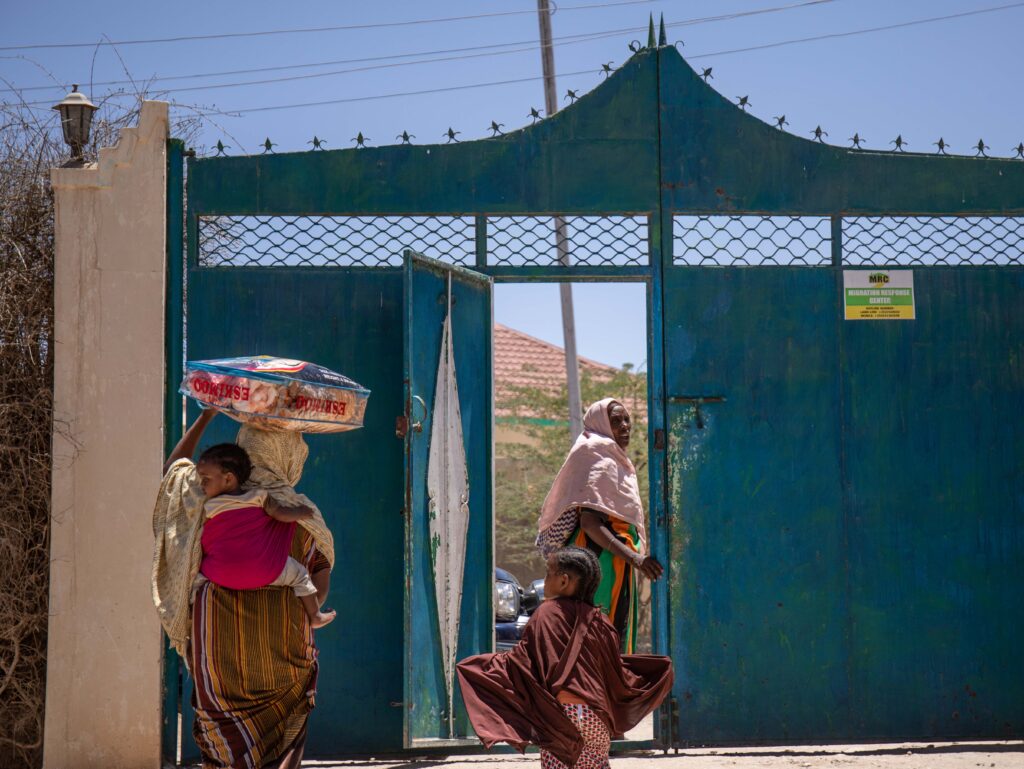
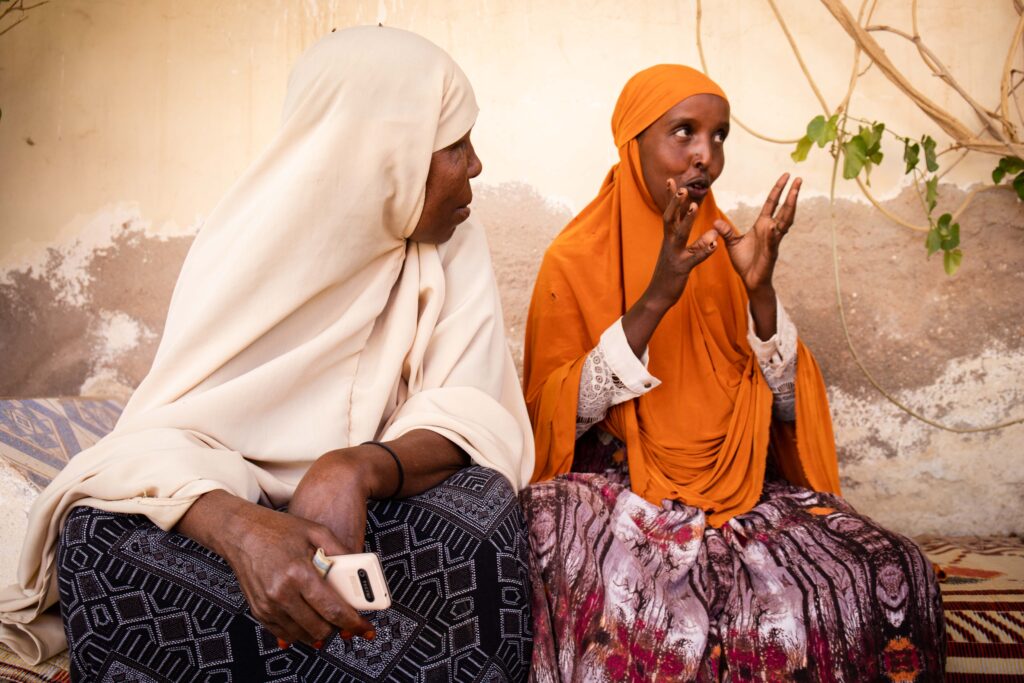
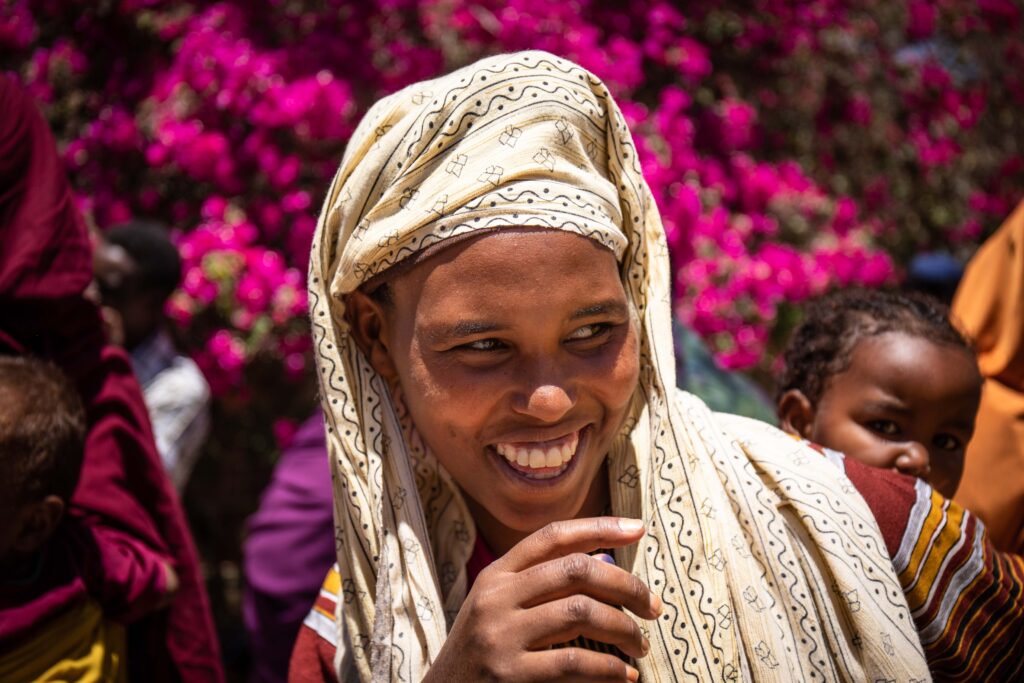
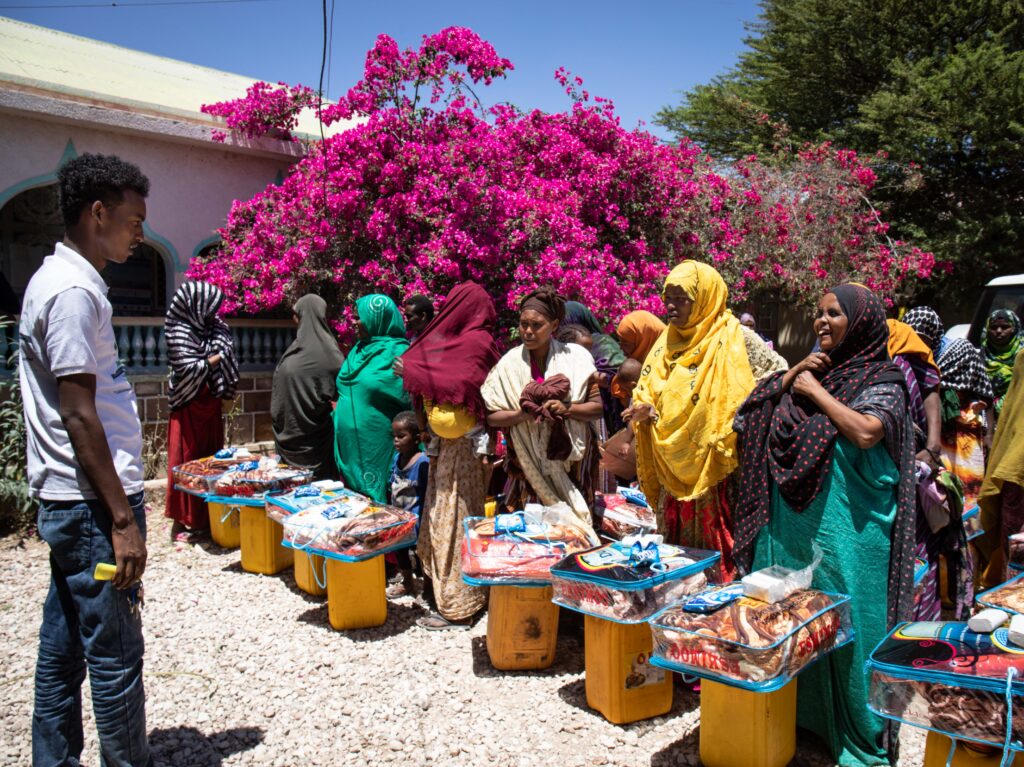
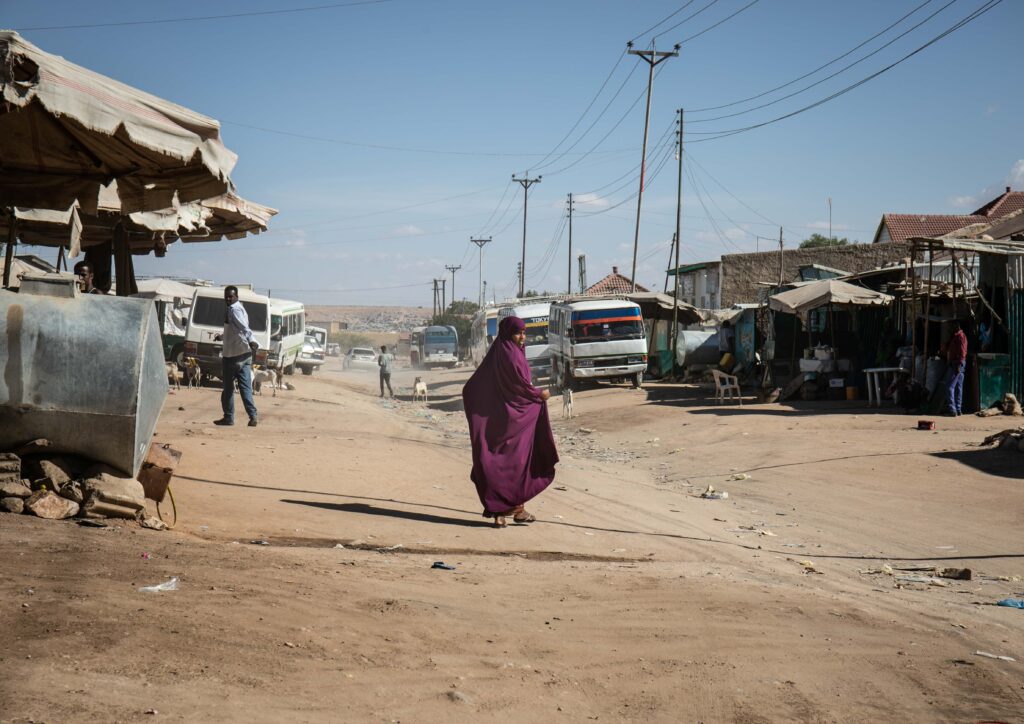
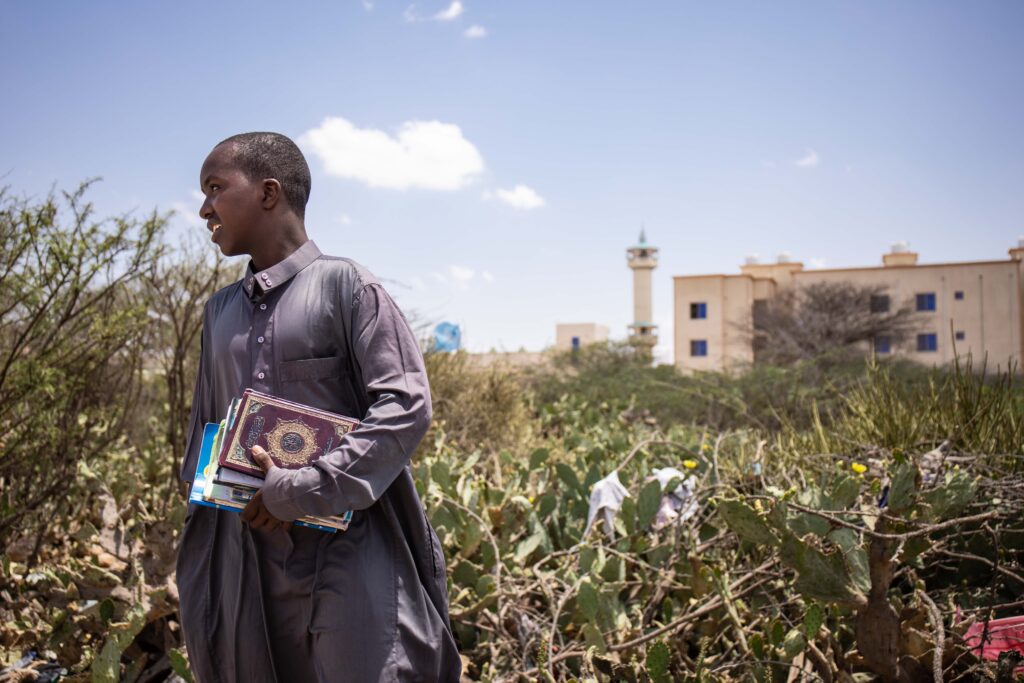
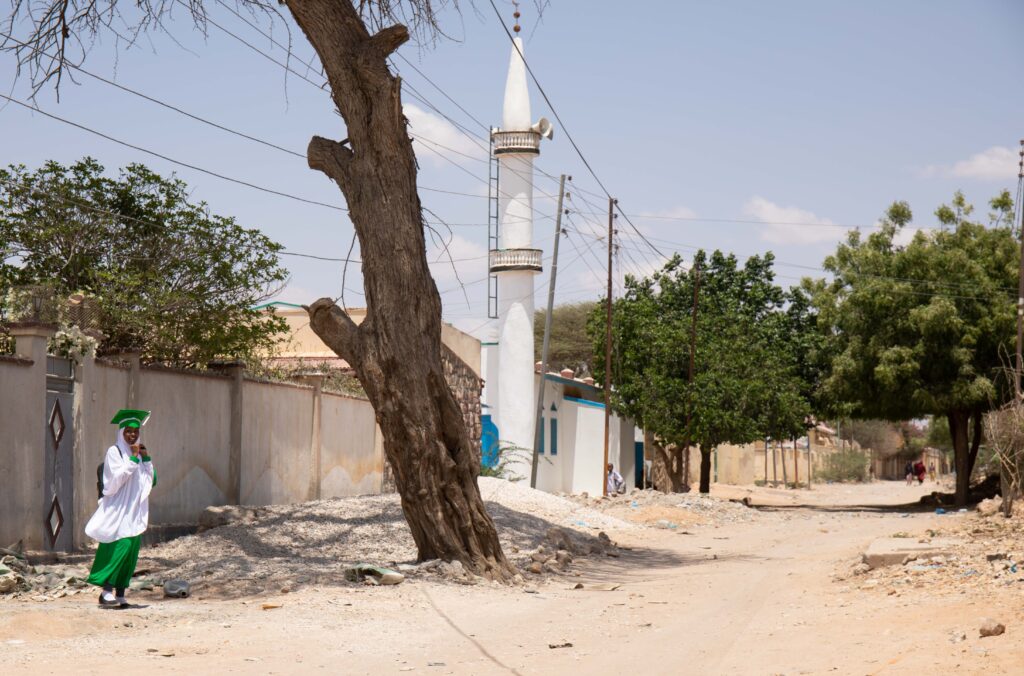
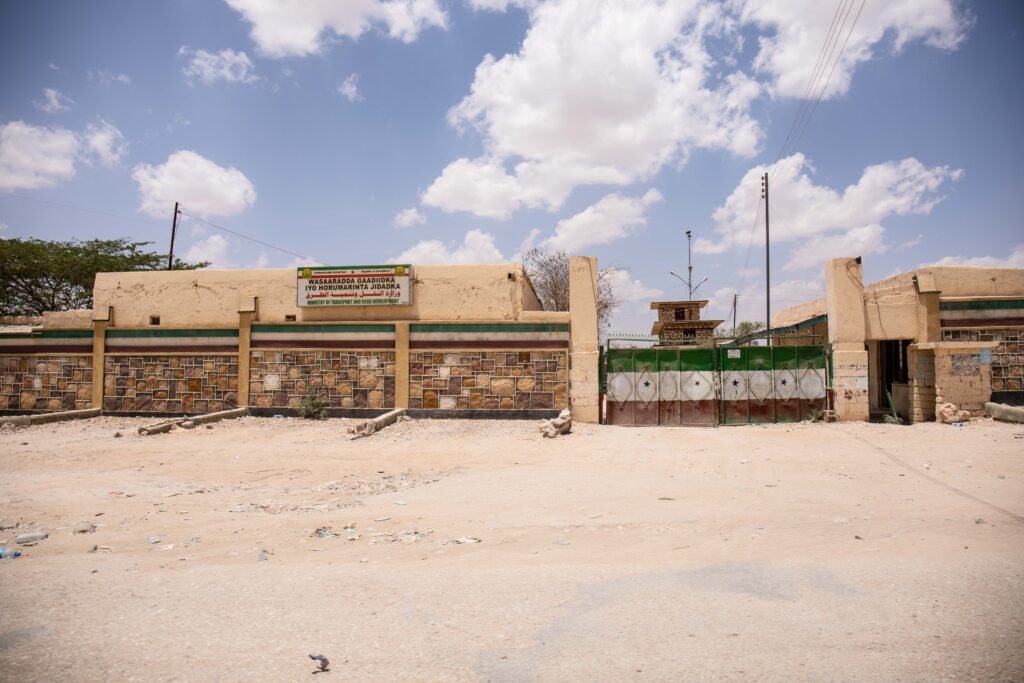
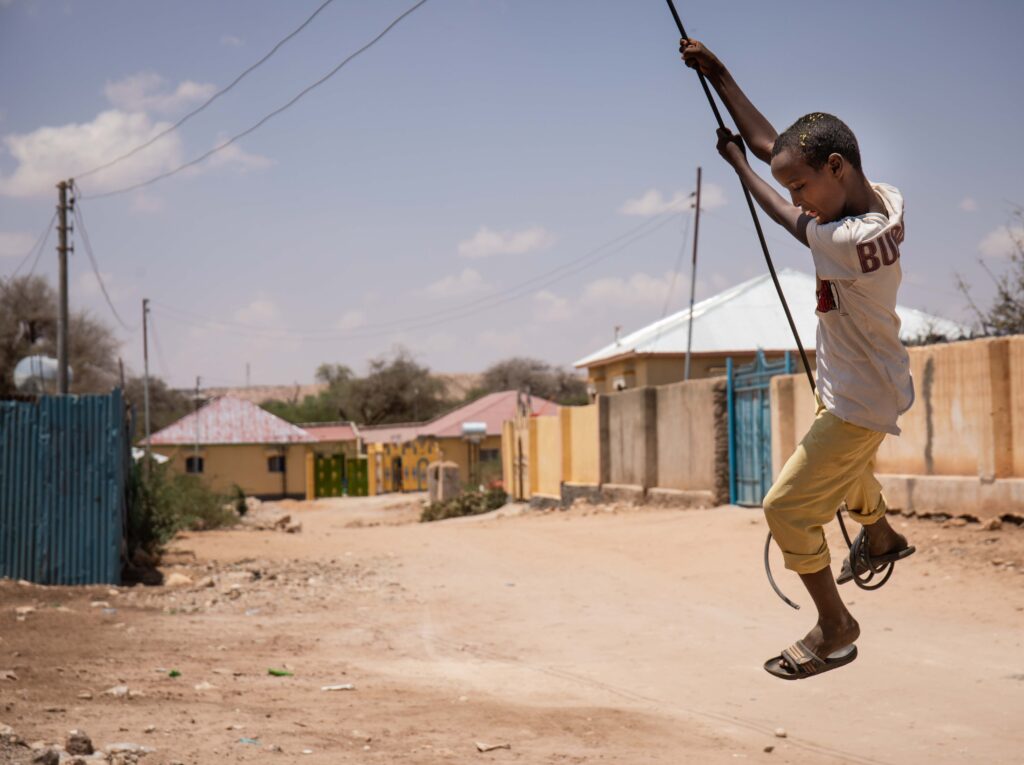
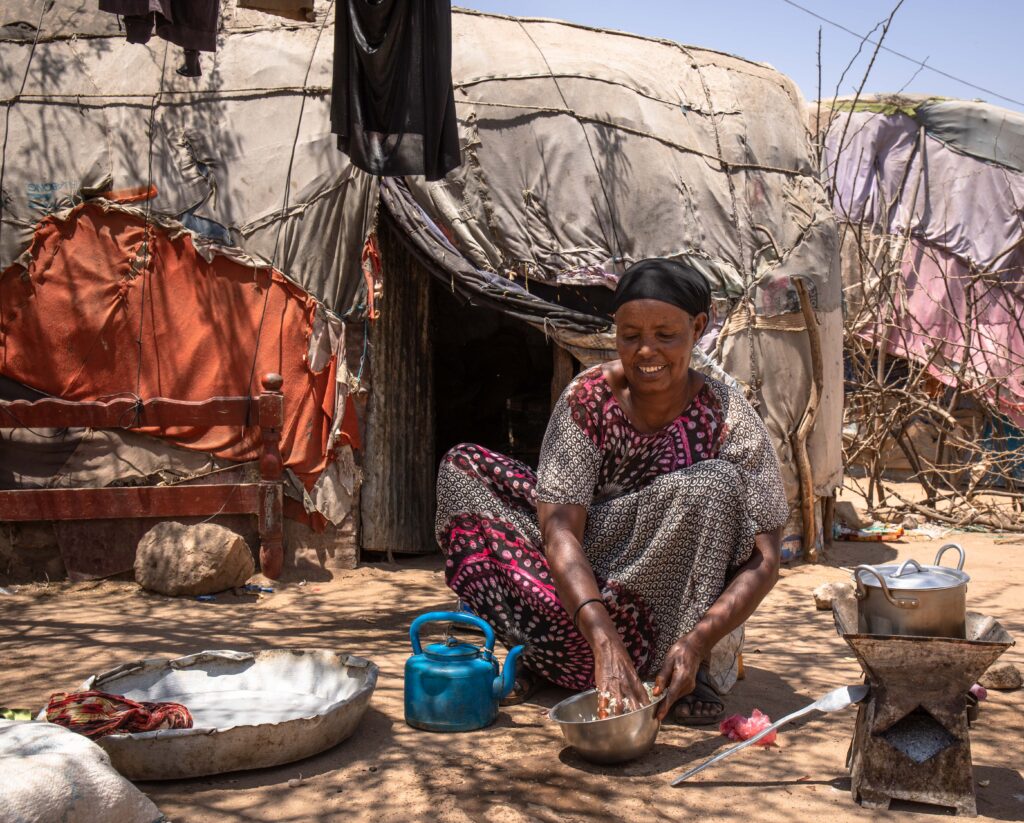
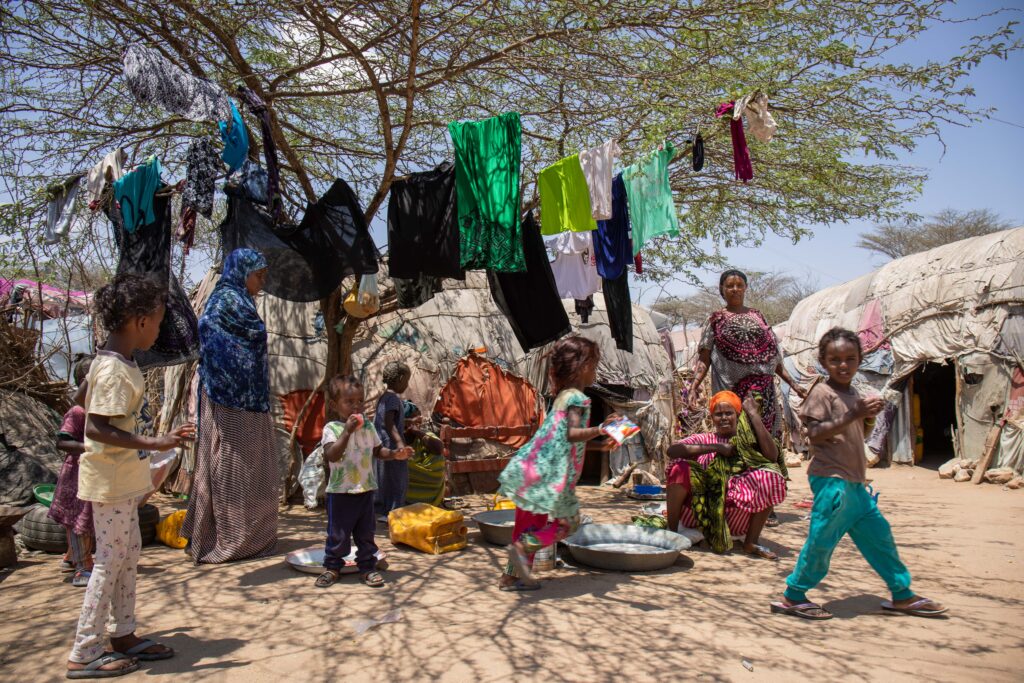
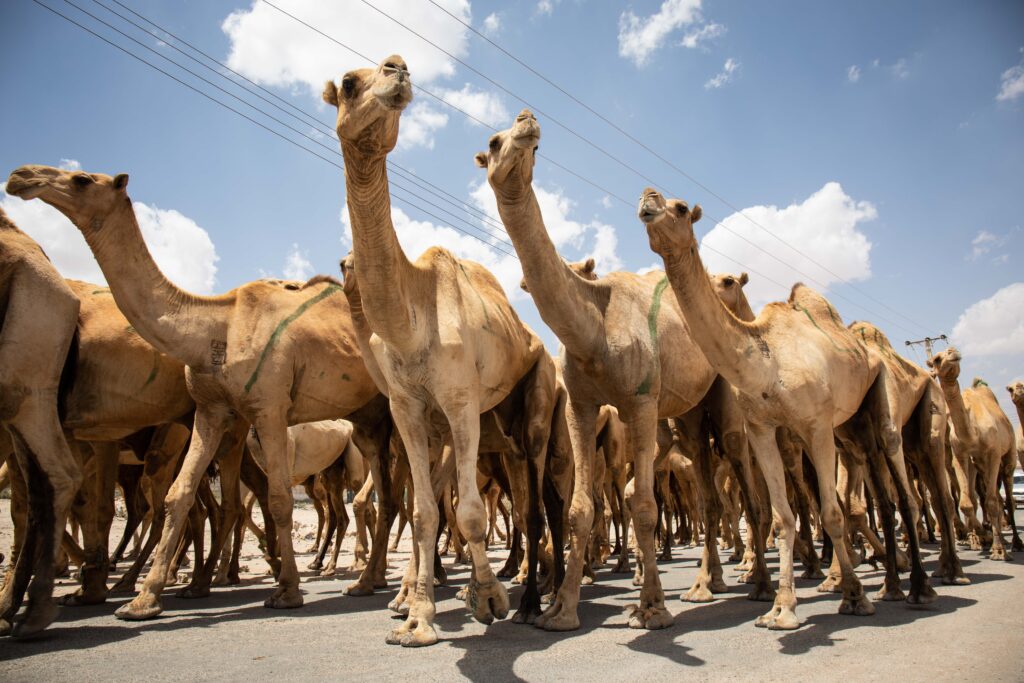
Unlike ongoing unconstructive rhetoric towards migrants in receiving communities, let alone in communities from developed countries, Hargeisa stands out because of its welcoming stance. Whether in the form of a settlement for displaced people and former immigrants, a primary school or university, a hospital, or in the streets, migrants are welcomed.
Hargeisans’ openness may be due to the fact that most migrants come from Ethiopia and Yemen, two places where culture and traditions have been historically linked to this place—aren’t other places with similar commonalities divided by beautiful fences and walls?
Regardless of contexts and of the many social, economic, and political challenges that shape Hargeisa, there is a solid case study going on that international organizations and NGOs may be overlooking. It is a good time for them to focus more on the ground, including Hargeisa’s social components, and less time where policies are designed.