In 2025, Accra’s metropolitan area was home to roughly five to six million people and continued to grow rapidly. Projections suggest that Accra’s wider urban agglomeration could approach ten million inhabitants by mid-century.
Located near the Greenwich Meridian and the Gulf of Guinea, Ghana’s capital is the country’s main commercial hub, contributing to $3 billion or 10 percent of Ghana’s GDP. In short, Accra’s economy—driven by finance, trade, services, and a large informal sector—plays a central role in Ghana’s national output and employment.
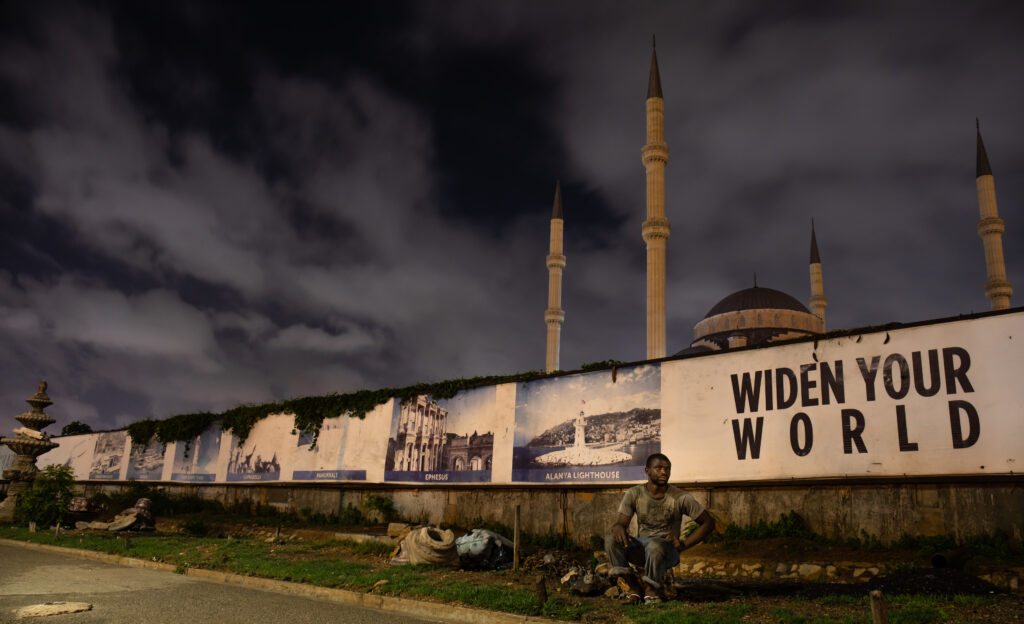
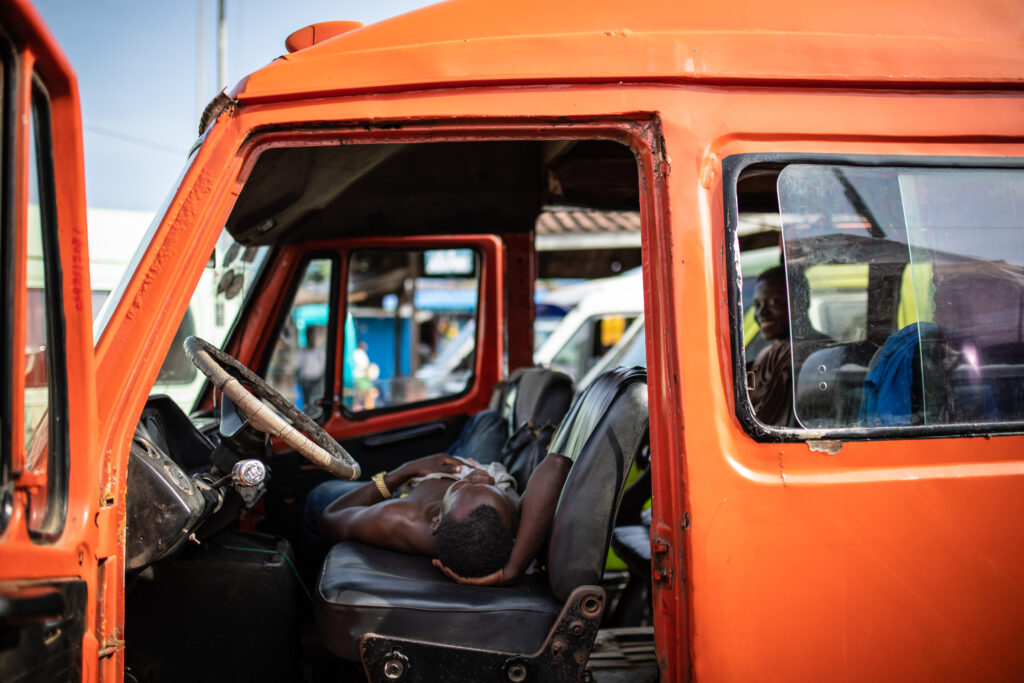
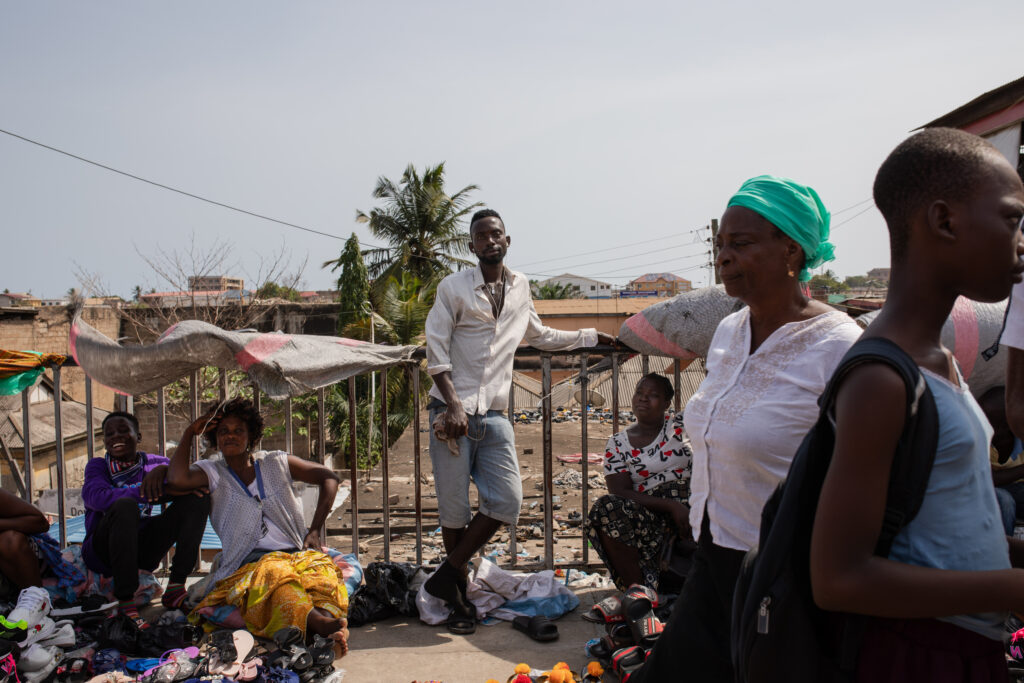
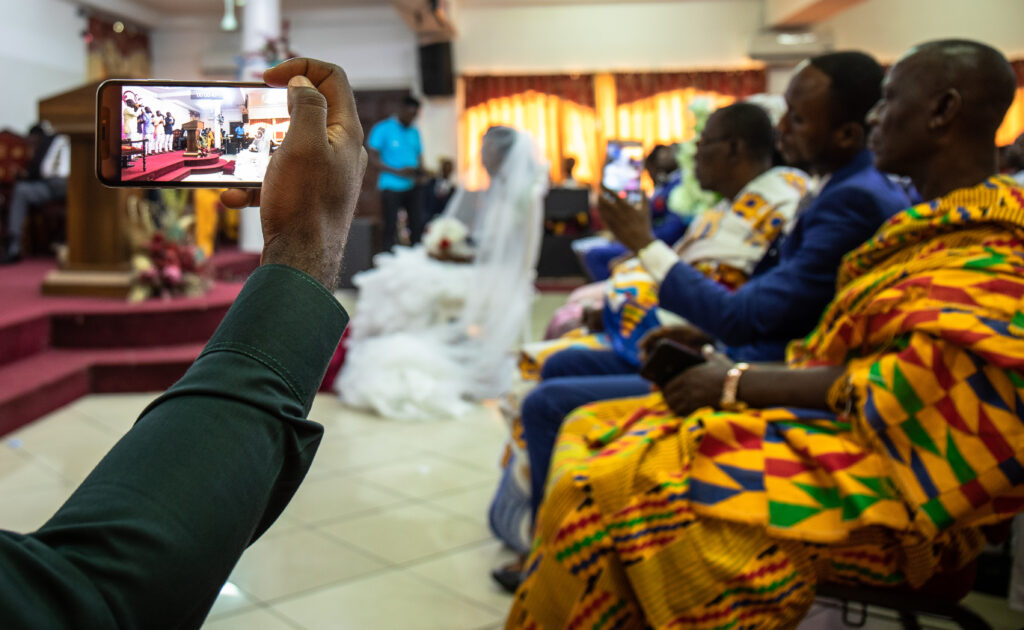
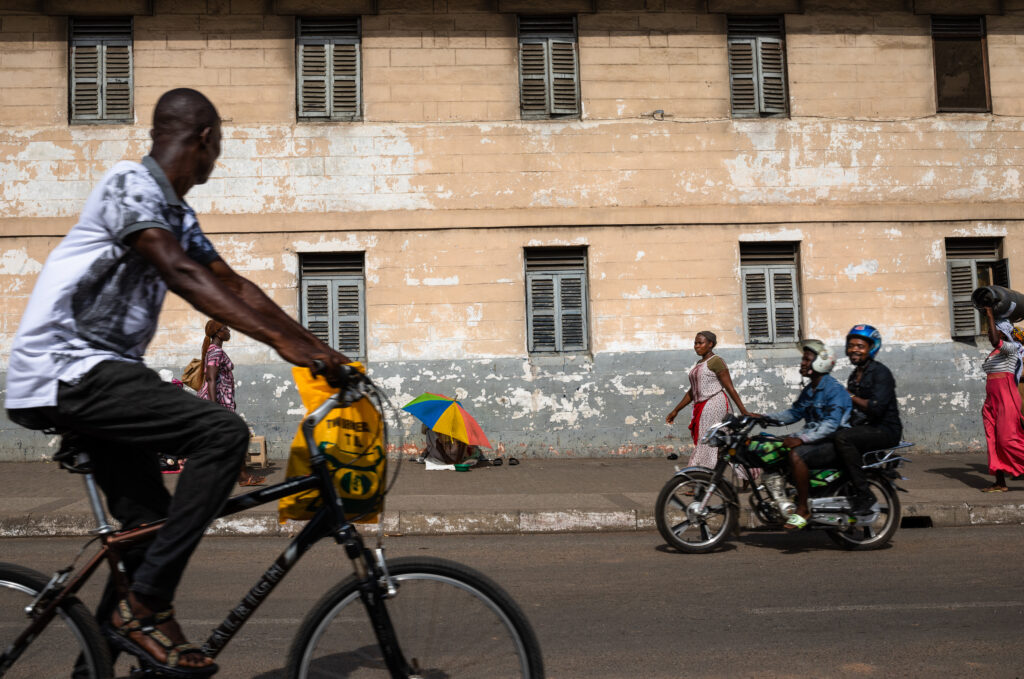
Accra remains the focal point for both Ghana’s rapid economic evolution and the persistent challenges that affect its residents. While Ghana’s GDP is projected to reach $140 billion by the end of 2026—potentially making it Africa’s seventh-largest economy—this growth continues to be accompanied by deep-seated social inequality, which is most visible in the capital.
The economic polarization between 1991 and 2012 has evolved into a complex landscape towards the end of this decade. While the country has seen a historic turnaround, with its currency, the Cedi, emerging as a top-performing currency in 2025 and inflation returning to single digits by late 2025, the benefits remain unevenly distributed.
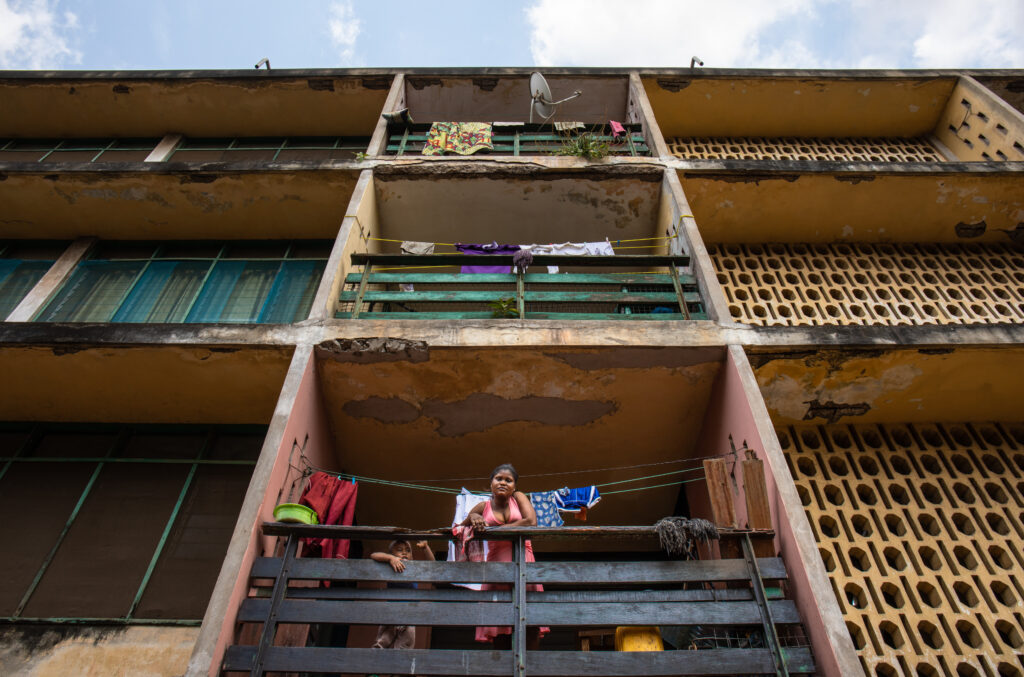
Frustration is in the air as much as pollution, one of the silent drivers of noncommunicable diseases. Population density contributes to the toxic mix. In some parts of Accra, tens of thousands of people live within a single square mile; in some urban areas up to 34,000 people per square mile. This figure is a stark contrast with rural areas where density can fall to just a few hundred per square mile. Poverty and limited economic opportunities often fuel public discourse and conversations among friends.
Yet Accra’s sometimes acrimonious atmosphere is often overshadowed by the city’s overall sense of harmony. A blend of ethnicities—Akan, Ga-Dangme, and Ewe among others—and religions, mostly Christianity and Islam, shapes the capital’s social fabric, alongside a growing presence of immigrants. This vibrant yet largely peaceful fusion reflects a strong tradition of social cohesion, intentionally promoted by Ghana’s first president, Kwame Nkrumah, at independence in 1957 and nurtured among Ghanaians ever since.
Social cohesion has helped residents adapt to new trends. The construction of upscale office towers and apartment buildings has not produced the levels of gentrification seen in many global cities.
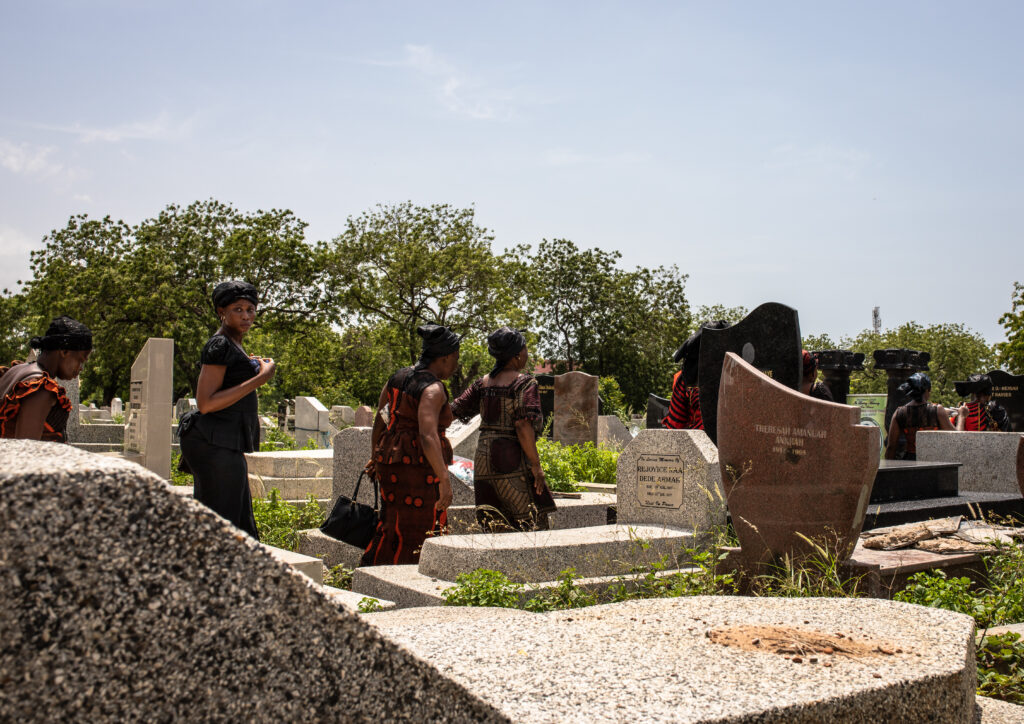
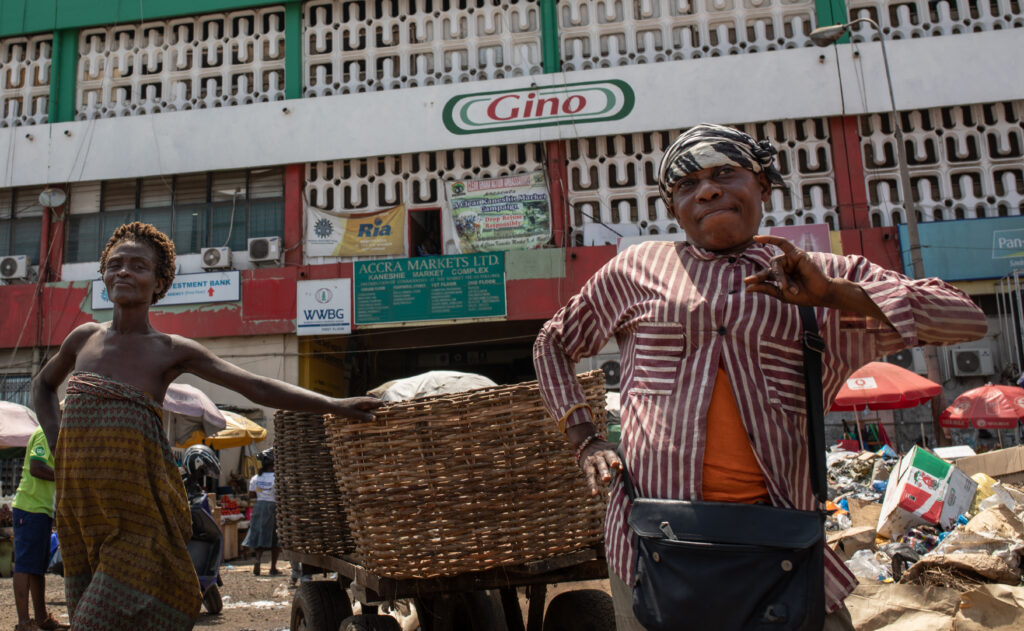
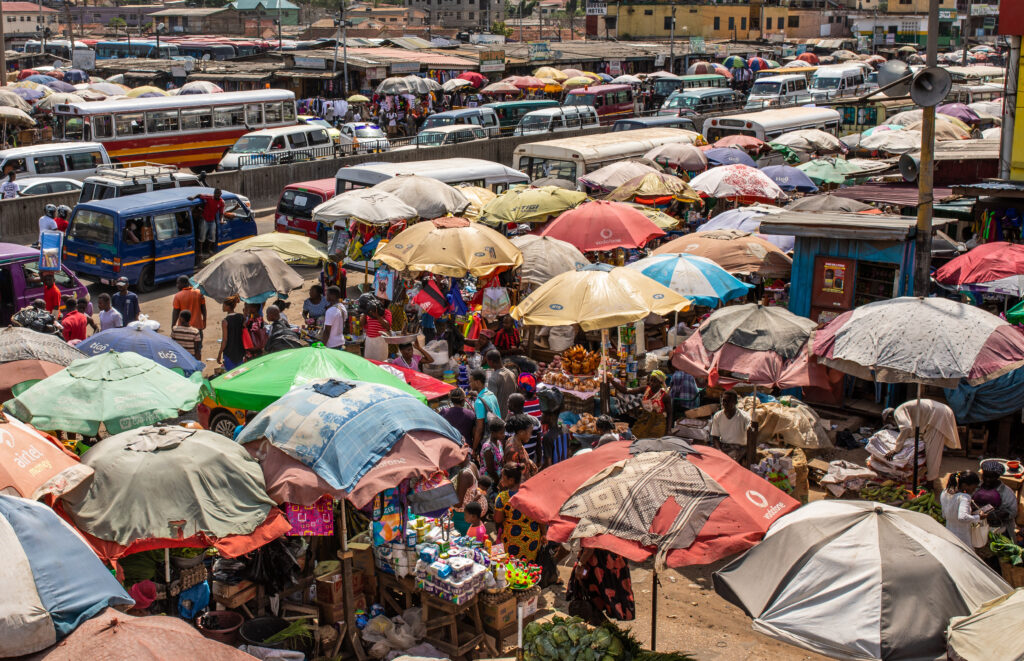
While this social fabric shapes Accra’s modern life, its traditions remain part of the city’s DNA. On even the dullest days, residents brighten the streets with colorful clothing, and in moments of mourning families gather to celebrate the lives of their loved ones. Traffic jams are softened by countless friendly interactions in markets, while street vendors carry their dreams balanced above their heads.
Accra’s restless harmony sustains the city’s spirit and offers a reminder that coexistence—something fragile in many parts of the world—can still thrive in an urban landscape.